
close

April 2026

Home

UK Orchard Growers Explain 5 Reasons to Grow Cherry Plum Trees

Cherry plums are not a recent discovery. They have been grown in Britain for centuries and are valued for their adaptability and early fruiting. Unlike many fruit trees that demand careful pruning schedules or specialist soil conditions, cherry plums tend to establish quickly and tolerate a wider range of environments. For gardeners in both rural and urban areas, this resilience makes them a practical addition to the garden.

The fruit itself sits somewhere between a plum and a cherry in size and appearance. Depending on the variety, the skin may be yellow, red, or deep purple, and the flavour ranges from sweet to pleasantly sharp. They are widely used for jams, chutneys, and desserts, but they are also enjoyable fresh from the tree.

Demand for unusual yet reliable fruit trees has grown enough that many gardeners now search online for cherry plum trees for sale, particularly when planning a small orchard or diversifying an existing garden planting.

The fruit trees specialists at ChrisBowers note that cherry plums are often overlooked by new growers who focus on apples or traditional plums. They point out that the species can be an excellent starting point for gardeners seeking dependable fruit production with minimal fuss. According to their guidance, choosing established nursery stock such as cherry plum trees for sale can help ensure strong early growth and reliable cropping in British conditions.

Orchard growers across the UK frequently highlight several practical reasons for choosing cherry plum trees. These reasons go beyond novelty and relate directly to the realities of growing fruit successfully in Britain’s often unpredictable climate.

Reliable Cropping in the British Climate

One of the main reasons experienced orchard growers recommend cherry plum trees is their consistent productivity. British weather can be unpredictable, particularly in spring when late frosts can damage blossom on more sensitive fruit trees. Apples, pears, and traditional plums sometimes suffer reduced harvests after cold snaps during flowering.

Cherry plums tend to cope better with these fluctuations. Many varieties flower early but still manage to set fruit reliably, even when conditions are less than ideal. Their natural vigour and resilience allow them to recover from mild frost damage more effectively than some other fruit species.

Growers in southern England often report that cherry plum trees begin producing fruit earlier in their life cycle than comparable plum trees. In many cases, a young tree will start cropping within two or three years of planting. For gardeners who want results quickly, this early productivity is a significant advantage.

Another benefit is the tree’s ability to tolerate different soil conditions. While fruit trees generally prefer well-drained ground, cherry plums are known for coping reasonably well with heavier soils that might challenge other species. This flexibility is particularly useful in areas of the UK where clay soils dominate.

Commercial orchardists also appreciate that cherry plum trees can serve multiple purposes. In addition to producing fruit, they are sometimes used as rootstocks for other plum varieties. Their strong growth and adaptability make them valuable within mixed orchards.

For home gardeners, the most important factor is reliability. A fruit tree that produces a steady harvest each year provides both satisfaction and practical value. Cherry plums deliver this consistency in many parts of the country, from the milder south-west to colder inland regions.

Because of this dependable cropping habit, many orchard growers view cherry plums as one of the most forgiving fruit trees available to British gardeners.

A Tree Well Suited to Smaller Gardens

Modern British gardens are often smaller than those of previous generations. New housing developments frequently include compact outdoor spaces where planting large orchard trees is impractical. As a result, gardeners increasingly look for fruit trees that remain manageable without sacrificing productivity.

Cherry plum trees fit this requirement well. Although they can grow into substantial trees in open orchards, they respond well to pruning and can be maintained at modest sizes suitable for domestic gardens. Many varieties naturally develop a rounded, balanced canopy that is easier to control than some traditional plum trees.

For gardeners with limited space, this characteristic makes cherry plums particularly appealing. A single tree can be trained as a small free-standing specimen or shaped against a fence or wall. With thoughtful pruning, it can also be incorporated into mixed planting areas without dominating the garden.

Another advantage is the tree’s ornamental value. Cherry plum blossom appears early in the season, often before many other fruit trees have started flowering. The delicate white or pale pink blossoms create an attractive display that adds visual interest to the garden in late winter or early spring.

This decorative quality means the tree performs two roles at once: providing seasonal beauty and producing edible fruit. In smaller gardens where every plant must justify its place, this dual purpose is particularly valuable.

Urban gardeners also appreciate that cherry plum trees tend to be hardy and relatively tolerant of environmental stress. They can handle wind exposure, occasional drought, and varying soil quality better than some more delicate fruit species.

As interest in home-grown produce continues to grow in cities and suburbs, cherry plums are gaining recognition as a sensible option for gardeners who want a productive fruit tree without the complexity sometimes associated with larger orchard varieties.

Early Harvests Extend the Fruit Season

Another reason orchard growers encourage planting cherry plum trees is the timing of the harvest. In the UK, most traditional plums ripen from late summer into early autumn. Apples and pears typically follow, meaning the main fruit harvest period often begins in August.

Cherry plums, however, frequently ripen earlier. Some varieties produce fruit as early as July, which can significantly extend the home harvest season. For gardeners who enjoy fresh fruit from their own trees, this earlier cropping fills a gap between soft fruits such as strawberries and the later orchard harvests.

This early fruiting also benefits those who preserve their harvest. Cherry plums are particularly well suited to jam and chutney making, thanks to their natural balance of sweetness and acidity. Their relatively small size means they cook down quickly, producing richly flavoured preserves.

Many growers note that the fruit has a distinctive taste that differs from standard plums. Depending on the variety, the flavour can range from honeyed sweetness to a sharper, more refreshing tang. This diversity allows gardeners to experiment with different culinary uses.

In addition to jams and chutneys, cherry plums are often used in desserts, compotes, and fruit sauces. Their bright colour can also add visual appeal to homemade dishes.

Because the trees tend to crop heavily once established, even a single specimen can yield enough fruit for both fresh eating and preserving. For households interested in self-sufficiency, this productivity is particularly useful.

The earlier harvest window also spreads out garden work. Instead of facing a large volume of fruit all at once later in the season, gardeners can begin gathering produce earlier in the summer and manage the harvest more gradually.

For orchard growers, this extended season is one of the most practical advantages of cherry plum trees.

Low Maintenance Compared with Many Fruit Trees

Maintenance requirements are an important consideration when choosing fruit trees. Some species demand regular spraying, complex pruning routines, or very specific growing conditions. For many gardeners, particularly beginners, this level of care can be discouraging.

Cherry plum trees have gained a reputation for being relatively low maintenance. While basic pruning and occasional feeding will improve results, the trees generally grow well without intensive management.

Their natural vigour helps them recover from minor issues that might weaken other fruit trees. They also tend to establish quickly after planting, producing strong root systems that support steady growth.

Another advantage is their relative resistance to certain pests and diseases that commonly affect plum trees. Although no fruit tree is completely immune to problems, cherry plums often prove more resilient than some traditional varieties.

This durability reduces the need for chemical treatments and allows many gardeners to grow them successfully using organic or low-intervention methods. For those interested in environmentally friendly gardening, this resilience is an important factor.

Pruning is usually straightforward. Most growers simply remove dead or overcrowded branches and shape the canopy to allow light and air circulation. Unlike some fruit trees that require precise pruning at specific times, cherry plums are generally more forgiving.

Their ability to thrive with minimal intervention makes them particularly suitable for gardeners who want fruit production without committing to a highly technical orchard management routine.

A Valuable Addition to Mixed Orchards

Beyond their role in individual gardens, cherry plum trees also have value within larger mixed orchards. Many traditional British orchards contain a diverse range of species, including apples, pears, plums, and damsons. Adding cherry plums can increase both productivity and biodiversity within these spaces.

Because they flower early, cherry plums provide an important source of nectar and pollen for bees and other pollinators emerging at the end of winter. This early food source can support pollinator populations that later help fertilise other fruit trees in the orchard.

Growers often find that cherry plum trees integrate well into existing orchard layouts. Their growth habit allows them to fit alongside larger apple trees without competing excessively for space.

The fruit itself also adds variety to the harvest. A mixed orchard that includes cherry plums produces a broader range of flavours, colours, and uses. This diversity can be appealing for both home growers and small-scale producers who sell fruit locally.

Another interesting feature is the genetic relationship between cherry plums and other plum species. This connection has made them historically significant in fruit tree breeding. Some modern plum varieties trace part of their heritage back to cherry plum ancestors.

For orchard growers who appreciate traditional fruit varieties and horticultural history, planting cherry plums helps preserve a species that has played an important role in the development of many cultivated plums.

As British gardeners increasingly rediscover older fruit varieties and explore alternatives to the standard orchard lineup, cherry plum trees continue to gain attention.

Their resilience, productivity, and adaptability make them a practical choice for both experienced growers and newcomers to fruit cultivation. Whether planted as a single tree in a suburban garden or incorporated into a larger orchard, cherry plums offer a dependable and rewarding addition to the landscape.
read more
Dentist

Dental Implants London Specialists Reveal 8 Advances in Implant Technology

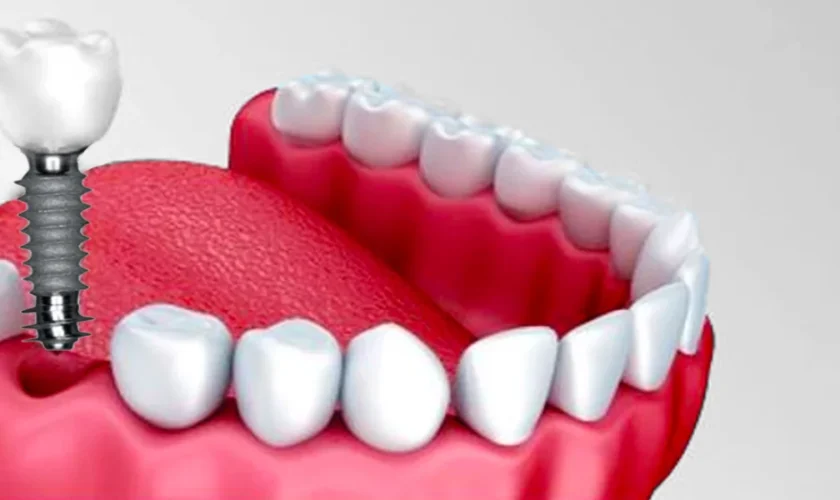
Replacing a missing tooth is no longer just a matter of filling a gap. In London, implant treatment has become more precise, better planned and easier to personalise, with technology now shaping almost every stage of care. Patients often hear about implants in general terms, but the real changes are happening behind the scenes: in diagnostics, design software, materials science and surgical methods that can improve fit, reduce guesswork and support more predictable healing.

These developments matter because implant treatment sits at the intersection of function, aesthetics and long-term oral health. A well-planned implant can help preserve chewing ability, support speech, maintain facial structure and avoid the compromises that sometimes come with removable options. At the same time, expectations have risen. Patients want results that look natural, feel stable and fit into busy lives. According to the cosmetic dentist Dr. Sahil Patel of MaryleboneSmileClinic, anyone considering a dental implant London treatment should ask how modern scanning, guided placement and gum planning are being used, because the technology behind the procedure often influences both comfort and the final appearance. The most important shift is not one single invention, but a series of advances that together are changing what implant care can deliver.

Better Diagnosis Through 3D Imaging and Digital Records

One of the biggest advances in implant dentistry is the move from flat, two-dimensional assessment to detailed three-dimensional planning. Cone beam CT scanning gives clinicians a far clearer view of the jaw than standard radiographs alone. Instead of estimating bone width, height and density from limited angles, specialists can now examine the implant site in layers and measure the available space with much greater accuracy. This helps identify vital structures such as nerves and sinus cavities, and it also supports safer decision-making when bone volume is limited or anatomical challenges exist.

Digital records have improved this stage further. Intraoral scanners can create highly detailed maps of the teeth and gums without the mess and distortion associated with some traditional impressions. When these scans are combined with 3D imaging, the clinician can assess not only the bone beneath the gum but also how the final tooth will sit in the smile. That changes the planning process. Implant placement is no longer viewed purely as a surgical task; it is increasingly driven by the intended restorative result.

For patients, that often means more useful consultations. Rather than being told in vague terms that an implant is possible, they can see a digital representation of the problem and understand how the proposed treatment would work. This can be especially valuable in London, where many people seek implant care after years of patchwork dentistry, previous extractions or failed restorations. Complex cases benefit most from clear visual planning, but even straightforward single-tooth replacement can gain from better records. Accurate diagnosis reduces surprises, and in implant treatment, fewer surprises usually lead to a smoother journey from assessment to final restoration.

Guided Surgery Is Reducing Guesswork

A second major development is computer-guided implant surgery. Once the clinician has gathered digital scans and radiographic data, specialist software can be used to plan the exact position, angle and depth of the implant before the appointment takes place. That plan can then be translated into a surgical guide, usually a custom-made template that sits over the teeth or gums and directs the instruments according to the approved design. This approach is particularly helpful when space is tight, when aesthetics are important, or when several implants need to work together in a highly precise arrangement.

The benefit of guided surgery is not that it turns treatment into an automated process. Clinical judgement still matters at every stage. What it does offer is a stronger link between planning and execution. In the past, even experienced surgeons sometimes had to rely more heavily on freehand interpretation during placement. Now, digital guidance can help transfer the virtual plan to the mouth with far greater consistency. That is useful not only for safety, but also for restorative success. An implant that is slightly off-angle may still integrate with bone, but it can create difficulties later when the crown or bridge is fitted.

This technology has also contributed to more conservative treatment in some cases. With careful planning, clinicians may be able to place implants using smaller incisions or flapless approaches where suitable, reducing disruption to soft tissue. Patients often associate modern implant care with faster appointments and less swelling, and guided placement is one reason why. It does not remove the biological realities of surgery, but it can reduce the margin for avoidable error. For practices managing demanding cases, including those involving front teeth or full-arch rehabilitation, that precision has become increasingly important.

New Implant Surface Technology Supports Healing

Implants may look simple from the outside, but the surface of the implant itself has become an area of major technical development. Earlier implants were effective, but today’s designs often feature carefully engineered surfaces intended to encourage stronger and more efficient bone attachment. This process, known as osseointegration, is fundamental to long-term success. The faster and more predictably bone bonds to the implant surface, the more stable the foundation becomes for the final tooth replacement.

Manufacturers have introduced a range of surface treatments, including micro-roughening, sandblasting, acid etching and advanced coating methods designed to increase the area available for bone contact. These microscopic changes are not visible to the patient, yet they can make a practical difference. Improved surface texture may support earlier stability and help in situations where healing conditions are less than ideal, such as lower bone density or medically complex backgrounds. Specialists still need to assess each patient carefully, but the materials themselves have become more biologically responsive than earlier generations.

At the same time, implant design has evolved beyond surface texture alone. Thread patterns, tapered body shapes and platform-switching concepts are being used to distribute forces more effectively and to protect the surrounding bone and gum architecture. This matters because implant success is not measured only by whether the fixture stays in place. A successful implant should also maintain healthy tissue around it and support a natural-looking emergence from the gum line. For many patients researching treatment options, the phrase dental implant London may bring to mind the visible tooth, yet the invisible engineering beneath that tooth is often where modern progress is most significant. Better surfaces and improved design are helping implants function not only as replacements, but as integrated parts of the mouth’s wider structure.

Custom Abutments and Better Aesthetic Integration

Another important advance is the refinement of the components that connect the implant to the visible restoration. The abutment, which sits between the implant and the crown, used to be more commonly selected from stock shapes that then had to be adapted as best as possible. Today, custom abutments can be digitally designed for the individual patient, taking into account gum thickness, tooth position, bite relationships and the contour needed for a natural-looking result. This is especially relevant in the front of the mouth, where small differences in shape or angle can have a noticeable effect.

Customisation improves both mechanics and appearance. A better-designed abutment can support the soft tissue more naturally, helping the gum line frame the restoration in a way that matches neighbouring teeth. It can also reduce over-contouring or awkward crown shapes that sometimes occur when the underlying component is not ideally aligned. In practical terms, that means the final tooth may be easier to clean, more comfortable to bite on and less likely to stand out.

Materials have improved too. Tooth-coloured zirconia abutments and highly aesthetic ceramic restorations are now used in selected cases where metal show-through would be undesirable, particularly for patients with thin gum tissue. Digital design and milling systems allow these parts to be produced with consistency that would have been difficult to achieve in the past. Implant dentistry in London increasingly reflects this restorative focus. Patients are not simply asking whether an implant can be placed; they want to know whether it will disappear naturally into the smile. Modern implant planning now works backwards from that expectation, using custom components to improve the visual and biological result.

Shorter Treatment Pathways and Immediate Solutions

Traditional implant treatment often involved long waiting periods between extraction, implant placement and the fitting of the final crown. While staged treatment is still the safest route in many cases, advances in stability measurement, implant design and digital workflow have made shorter pathways possible for selected patients. Immediate implant placement, where an implant is inserted soon after extraction, can preserve bone and reduce the number of surgical stages. In some situations, immediate provisional teeth may also be provided, allowing patients to avoid a prolonged visible gap while healing takes place.

These approaches depend on careful case selection. They are not shortcuts in the casual sense, and they should not be offered simply because a patient wants speed. Good bone quality, infection control, bite assessment and precise planning all matter. However, the fact that such options now exist more reliably marks a real shift in implant care. Treatment can sometimes be aligned more closely with how people actually live and work, particularly in a city where taking repeated time away from professional or family commitments may be difficult.

Digital workflows are supporting this change. When scans, planning software and laboratory production are integrated efficiently, temporary and final restorations can often be designed with fewer delays. The process becomes more coordinated from surgeon to restorative dentist to technician. This does not mean every implant case is quick, but it does mean the pathway is becoming more structured and less fragmented. For patients, that can translate into clearer timelines, fewer unnecessary appointments and a better understanding of what will happen next. The advance is not speed on its own, but speed achieved without sacrificing control.

Regeneration, Maintenance and the Long-Term View

Some of the most meaningful progress in implant technology concerns patients who were once told they lacked enough bone or gum tissue for treatment. Bone grafting techniques, sinus lift procedures and soft tissue grafting have all become more refined, supported by improved biomaterials and more accurate planning. Regenerative approaches can rebuild deficient areas so that implants can be placed more safely and with better long-term support. In other cases, narrow implants or alternative positioning strategies may reduce the need for extensive grafting while still meeting functional goals. The result is that more patients are now candidates for treatment than in earlier years.

Long-term care has advanced as well. Implant dentistry is increasingly focused on maintenance, not just placement. Specialists pay more attention to how implant restorations are shaped, how easily they can be cleaned and how bite forces are managed over time. This matters because implants are not immune to complications. Peri-implant disease, mechanical wear and gum recession can all affect outcomes if follow-up care is weak. Modern protocols place greater emphasis on review appointments, professional cleaning methods and patient education tailored to implant-supported teeth.

That broader mindset may be one of the most important changes of all. A successful implant is not just a successful operation; it is a restoration that remains healthy and functional for years. For anyone comparing providers, asking about planning, regeneration, restorative design and aftercare can be more revealing than asking about price alone. The best results usually come from systems of care that connect these stages rather than treating them as separate transactions. In that sense, the latest dental implant London services are not defined by a single gadget or brand, but by how technology is used to support the full lifespan of treatment.

Why These Eight Advances Matter to Patients in London

Taken together, these eight advances have changed the standard of implant care. Three-dimensional diagnosis, digital records, guided surgery, enhanced implant surfaces, custom abutments, immediate treatment pathways, regenerative techniques and stronger maintenance protocols all contribute to treatment that is more accurate and more patient-specific than before. Not every case will involve every innovation, and good outcomes still depend on clinical skill, appropriate planning and realistic expectations. Yet the overall direction is clear: implant dentistry has become more integrated, more data-driven and more focused on preserving both health and appearance.

For patients in London, that matters because demand is no longer limited to replacing one missing tooth in a straightforward situation. People seek implant treatment after trauma, longstanding neglect, failed bridges, advanced wear and cosmetic concerns that interact with oral health problems. Modern technology helps clinicians respond to that complexity more effectively. It also helps patients ask better questions and make more informed choices. The future of implants is not about making treatment sound glamorous. It is about making it more predictable, more transparent and better suited to individual needs. That is the real advance, and it is why implant technology deserves attention from anyone considering this form of tooth replacement.

read more