

close

January 2026

Kids

Encouraging Curiosity Without Overstructuring Childhood

Curiosity is one of the most powerful drivers of childhood learning. It motivates children to explore their surroundings, ask questions, solve problems, and develop independence. However, modern childhood often includes tightly scheduled routines filled with structured lessons, activities, and expectations. While these opportunities can be valuable, too much structure can unintentionally limit natural exploration.

Encouraging curiosity without overstructuring childhood means creating environments where children feel free to investigate ideas, experiment with solutions, and follow their interests at their own pace. When families support both guidance and freedom, children develop stronger confidence, creativity, and emotional resilience.

Understanding how to balance structure and independence helps parents create conditions where curiosity naturally thrives.

Why Curiosity Is Essential for Healthy Development

Curiosity supports intellectual growth, emotional confidence, and social awareness. Children who are encouraged to explore ideas independently often become more adaptable learners.

Benefits of curiosity-driven learning include:

  • Stronger problem-solving abilities
  • Increased motivation to learn
  • Greater creativity
  • Improved communication skills
  • Higher emotional confidence

Curiosity also supports persistence. When children are interested in discovering answers, they are more willing to work through challenges.

This internal motivation often leads to lifelong learning habits.

Understanding the Risks of Overstructuring Childhood

Structured activities can provide important learning experiences. However, when every hour is planned, children lose opportunities to experiment and reflect independently.

Overstructured childhood environments may lead to:

  • Reduced independent thinking
  • Lower tolerance for uncertainty
  • Increased performance pressure
  • Limited creativity development
  • Dependence on external direction

Children benefit from structure that provides safety and consistency, but they also need time to explore without constant instruction.

Balancing both elements supports healthy development.

The Difference Between Guidance and Control

Guidance helps children grow. Control limits their ability to make decisions independently. Recognizing the difference allows parents to support curiosity without removing direction entirely.

Guidance often includes:

  • Offering suggestions instead of commands
  • Asking questions instead of giving immediate answers
  • Encouraging exploration
  • Supporting experimentation

Control often involves:

  • Providing step-by-step instructions for every task
  • Correcting mistakes too quickly
  • Setting rigid expectations for outcomes
  • Limiting independent decision-making

Children develop confidence when they feel trusted to try new approaches.

Creating Space for Unstructured Play

Unstructured play is one of the most effective ways to support curiosity. During free play, children explore ideas without worrying about evaluation or performance.

Examples of unstructured play include:

  • Building with blocks
  • Drawing freely
  • Playing outdoors
  • Creating imaginary games
  • Exploring nature

These activities allow children to develop problem-solving skills naturally.

Free play also supports emotional flexibility and creativity.

Encouraging Questions Instead of Immediate Answers

Children learn best when they participate actively in discovery. When adults provide answers too quickly, they reduce opportunities for exploration.

Instead of responding immediately, parents can ask questions such as:

  • What do you think might happen
  • How could we find out together
  • What other ideas can we try

This approach strengthens reasoning skills and confidence.

Children begin to see learning as a process rather than a fixed outcome.

Supporting Curiosity Through Everyday Experiences

Curiosity does not require special materials or formal lessons. Daily routines provide many opportunities for exploration.

Simple examples include:

  • Cooking together
  • Observing weather changes
  • Gardening
  • Visiting local parks
  • Organizing household items

These experiences encourage observation and experimentation naturally.

Children often learn more through real-life experiences than structured instruction alone.

Allowing Safe Mistakes to Support Learning

Mistakes are essential for discovery. When children feel safe making errors, they are more willing to explore new ideas.

Supportive responses to mistakes include:

  • Encouraging reflection instead of correction
  • Recognizing effort rather than results
  • Asking what they learned from the experience
  • Offering help only when necessary

Mistakes help children develop persistence and flexibility.

Confidence grows when children learn that errors are part of progress.

Limiting Overscheduling Without Removing Opportunities

Activities such as music lessons, sports, and clubs provide valuable skills. However, too many scheduled commitments can reduce time for independent thinking.

Balanced scheduling often includes:

  • One or two structured activities per week
  • Regular free time after school
  • Unplanned weekend hours
  • Time for hobbies chosen by the child

This balance supports both skill development and creativity.

Children benefit when they have time to decide how they want to spend their energy.

Creating Curiosity-Friendly Home Environments

Home environments influence how children explore ideas. Spaces that support creativity encourage experimentation.

Helpful environment features include:

  • Accessible art supplies
  • Open floor space for building activities
  • Books within reach
  • Outdoor play opportunities
  • Flexible seating arrangements

When materials are easy to access, children explore more often.

Environment design can quietly support curiosity every day.

Encouraging Observation Skills in Daily Life

Observation is the foundation of curiosity. Children who notice details are more likely to ask questions and investigate patterns.

Parents can strengthen observation skills by encouraging children to:

  • Describe what they see outdoors
  • Compare objects around the home
  • Notice changes over time
  • Recognize patterns in nature

These activities develop attention and awareness.

Observation builds the foundation for scientific thinking.

Supporting Independent Decision-Making

Decision-making strengthens confidence and curiosity. Children who make choices feel more invested in learning experiences.

Simple opportunities for decision-making include:

  • Choosing books to read
  • Selecting clothing
  • Planning weekend activities
  • Organizing personal spaces

These experiences teach responsibility without pressure.

Children learn that their ideas are valuable.

Encouraging Creative Problem Solving

Creative problem solving develops when children face open-ended challenges without predetermined solutions.

Examples include:

  • Building structures with household materials
  • Designing games with friends
  • Solving puzzles
  • Creating stories

Open-ended challenges allow children to test multiple solutions.

This flexibility strengthens long-term learning ability.

Modeling Curiosity as an Adult

Children observe how adults respond to uncertainty. When parents demonstrate curiosity, children learn that exploration continues throughout life.

Adults can model curiosity by:

  • Asking questions aloud
  • Exploring new hobbies
  • Reading regularly
  • Sharing discoveries
  • Trying unfamiliar activities

Modeling curiosity encourages children to stay open to new experiences.

Learning becomes a shared family value.

Balancing Safety With Exploration

Children need opportunities to explore while remaining safe. Healthy boundaries allow curiosity to develop without unnecessary risk.

Balanced exploration includes:

  • Clear safety expectations
  • Supervised independence
  • Age-appropriate challenges
  • Supportive guidance when needed

Safety supports confidence rather than limiting exploration.

Children feel secure when expectations are predictable.

Encouraging Long-Term Motivation Through Curiosity

Curiosity supports internal motivation that lasts longer than reward-based learning systems.

Children who develop curiosity-driven habits often:

  • Explore topics independently
  • Persist through challenges
  • Ask thoughtful questions
  • Enjoy learning experiences

These habits contribute to stronger academic and emotional development.

Internal motivation helps children adapt to new environments throughout life.

Frequently Asked Questions

How much free time should children have each day for curiosity-based activities

Children benefit from at least one to two hours of unscheduled time daily depending on age, school responsibilities, and family routines.

Can structured learning environments still support curiosity

Yes. Structured learning supports curiosity when activities allow flexibility, creativity, and student choice within the learning process.

What role does boredom play in developing curiosity

Boredom often encourages children to invent games, explore ideas, and develop imagination when given time and space.

Should parents step in when children struggle during exploration

Support is helpful when frustration becomes overwhelming, but allowing children time to attempt solutions independently strengthens persistence.

How does outdoor exploration influence curiosity development

Outdoor environments provide changing sensory experiences that naturally encourage observation, experimentation, and discovery.

Are digital learning tools helpful or harmful for curiosity

Digital tools can support curiosity when used interactively rather than passively and when balanced with hands-on experiences.

How can families support curiosity when schedules are busy

Short daily conversations, shared observation activities, and weekend exploration opportunities help maintain curiosity even in structured routines.
read more
Home

Designing Homes That Support Emotional Well-Being

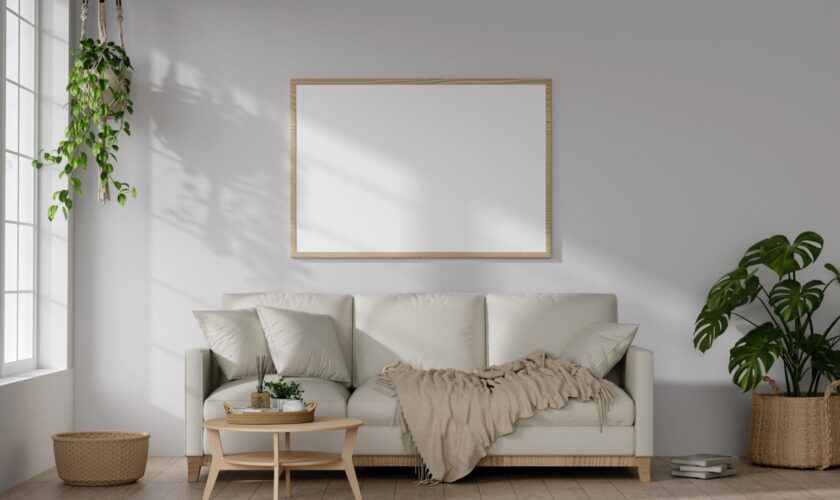
A home is more than a physical structure. It is the environment where people recover from stress, build relationships, and shape daily habits that influence long-term mental health. The way a home is designed can quietly affect mood, concentration, sleep quality, and emotional resilience.

Designing homes that support emotional well-being does not require expensive renovations or large spaces. Instead, it involves thoughtful choices about light, layout, color, organization, and daily routines. When living environments align with human psychological needs, they promote calmness, stability, and connection.

Understanding how design affects emotional health allows homeowners and families to create spaces that feel supportive rather than overwhelming.

Why Home Design Influences Emotional Health

People spend a large portion of their time indoors. The physical environment surrounding them shapes their stress levels, attention patterns, and emotional responses throughout the day.

A supportive home environment helps:

  • Reduce daily stress
  • Improve sleep quality
  • Encourage positive routines
  • Strengthen family relationships
  • Support concentration and creativity

When homes feel cluttered, poorly lit, or noisy, emotional fatigue increases. Thoughtful design reduces these pressures and creates a sense of comfort and stability.

Even small adjustments can lead to noticeable improvements in mood and productivity.

The Role of Natural Light in Emotional Balance

Natural light plays a central role in supporting mental well-being. Exposure to daylight helps regulate the body’s internal rhythm, improve alertness, and maintain emotional stability.

Homes that maximize daylight often feel more welcoming and energizing.

Ways to increase natural light include:

  • Keeping windows unobstructed
  • Using light-colored curtains
  • Placing mirrors to reflect sunlight
  • Choosing lighter wall colors
  • Positioning seating near windows

Morning daylight is especially valuable because it supports healthy sleep patterns and improves daily energy levels.

People who spend more time in naturally lit spaces often experience better mood regulation throughout the day.

Choosing Colors That Promote Calmness

Color influences emotional responses more than many people realize. Soft, balanced tones create a calming environment, while overly intense colors can increase mental stimulation.

Colors that commonly support emotional comfort include:

  • Soft blues for relaxation
  • Warm neutrals for stability
  • Gentle greens for balance
  • Light earth tones for grounding

Using strong accent colors in small areas can add personality without overwhelming the space.

The goal is not uniformity but harmony. Balanced color combinations create visual comfort that supports emotional ease.

Creating Spaces for Quiet Recovery

Every home benefits from having at least one area dedicated to rest and reflection. This space does not need to be large. Even a small corner can serve as a recovery zone.

A quiet recovery space may include:

  • Comfortable seating
  • Soft lighting
  • Minimal distractions
  • Books or journals
  • Indoor plants

These spaces allow individuals to reset mentally after demanding workdays or social interactions.

Having a predictable place to relax strengthens emotional resilience over time.

The Importance of Decluttered Living Areas

Clutter increases mental load. When environments contain too many visual distractions, the brain must process more information than necessary.

Decluttered homes support:

  • Clear thinking
  • Reduced stress
  • Improved productivity
  • Better decision-making
  • Stronger emotional stability

Simple organization habits make a meaningful difference.

Helpful strategies include:

  • Keeping surfaces mostly clear
  • Creating designated storage areas
  • Removing unused items regularly
  • Organizing entryways efficiently

Clean visual environments help the brain feel more settled and focused.

Designing Social Spaces That Encourage Connection

Homes that support emotional well-being include areas where family members naturally gather and communicate.

Comfortable shared spaces encourage conversation and cooperation.

Features that strengthen social connection include:

  • Seating arranged to face each other
  • Warm lighting instead of harsh overhead lights
  • Flexible furniture layouts
  • Shared activity areas such as dining tables or reading corners

These elements make interaction feel natural rather than forced.

Regular face-to-face conversation improves emotional security within families.

Supporting Healthy Sleep Through Bedroom Design

Bedrooms should function as restorative environments rather than multitasking spaces filled with distractions.

Emotionally supportive bedrooms often include:

  • Soft lighting
  • Comfortable bedding
  • Neutral colors
  • Minimal noise
  • Limited electronic devices

Keeping bedrooms calm and predictable supports deeper sleep and stronger emotional regulation.

Consistent sleep environments help the brain associate the bedroom with rest and recovery.

Bringing Nature Indoors for Emotional Stability

Natural elements reduce stress and improve concentration. Even small connections to nature can create meaningful psychological benefits.

Simple ways to include natural features at home include:

  • Indoor plants
  • Wooden textures
  • Natural fabrics
  • Fresh airflow
  • Outdoor views when available

Plants are especially helpful because they introduce both visual comfort and improved air quality.

Nature-inspired environments support calm thinking and emotional balance.

Designing Entryways That Reduce Daily Stress

The entryway sets the emotional tone for the entire home experience. A welcoming entrance creates a transition between outside stress and indoor comfort.

Helpful entryway features include:

  • Organized storage for shoes and bags
  • Adequate lighting
  • Simple decorative elements
  • Comfortable walking space

A calm entryway prevents clutter from spreading throughout the home.

This small adjustment often improves daily routines significantly.

Creating Flexible Spaces for Changing Needs

Modern households require adaptable environments. Flexible spaces allow homes to support work, learning, rest, and recreation without creating tension between activities.

Flexible design ideas include:

  • Multipurpose furniture
  • Movable seating arrangements
  • Adjustable lighting
  • Convertible storage systems

These features make it easier for homes to respond to changing schedules and responsibilities.

Flexibility reduces frustration and improves daily efficiency.

Managing Noise Levels for Emotional Comfort

Noise strongly influences stress levels. Homes that reduce unnecessary sound distractions support clearer thinking and better emotional regulation.

Ways to manage indoor noise include:

  • Using rugs and curtains to absorb sound
  • Closing gaps around doors
  • Creating quiet zones for focused work
  • Limiting background television noise

Quiet environments help the brain recover more quickly after demanding tasks.

Reduced noise improves both productivity and relaxation.

Supporting Personal Identity Through Design Choices

Emotionally supportive homes reflect the personalities of the people living in them. Personal touches create familiarity and belonging.

Meaningful design elements may include:

  • Family photographs
  • Handmade decorations
  • Cultural artwork
  • Favorite books
  • Travel memories

These items strengthen emotional attachment to the living environment.

Homes that reflect personal identity feel more comforting and stable.

Encouraging Movement Within the Home Environment

Movement supports both physical and emotional health. Home layouts that encourage natural activity throughout the day contribute to improved mood and energy.

Examples include:

  • Open walking paths between rooms
  • Accessible outdoor areas
  • Standing work surfaces when possible
  • Comfortable floor seating options

Movement-friendly homes help reduce sedentary habits that contribute to fatigue and stress.

Even small opportunities for movement can improve emotional resilience.

Establishing Daily Routines That Support Emotional Stability

Design alone does not create emotional comfort. Daily habits reinforce how spaces are experienced.

Helpful routines include:

  • Opening windows each morning
  • Maintaining regular cleaning habits
  • Turning off bright lighting in the evening
  • Using shared spaces intentionally
  • Protecting quiet time before sleep

When routines align with supportive design, homes become powerful environments for emotional stability.

Consistency strengthens the connection between environment and well-being.

Frequently Asked Questions

Can small apartments still support emotional well-being through design

Yes. Thoughtful organization, natural lighting, calming colors, and flexible furniture arrangements can make even compact spaces emotionally supportive.

How does ceiling height influence emotional comfort at home

Higher ceilings often create a sense of openness and creativity, while lower ceilings can feel more intimate and calming depending on how the space is used.

Do scents inside the home affect emotional well-being

Yes. Natural scents such as citrus, lavender, and wood-based aromas can influence relaxation, alertness, and mood stability.

Is it helpful to create technology-free zones inside the home

Technology-free areas encourage better communication, improved sleep habits, and stronger focus during daily activities.

How often should home environments be refreshed or reorganized

Small seasonal adjustments help maintain comfort and prevent environments from feeling stagnant or overwhelming.

Can lighting temperature affect emotional stability indoors

Yes. Warm lighting supports relaxation in the evening, while cooler lighting improves focus during daytime activities.

What role does furniture placement play in emotional comfort

Furniture placement influences movement patterns, conversation flow, and visual balance, all of which contribute to a sense of safety and ease inside the home.

read more