





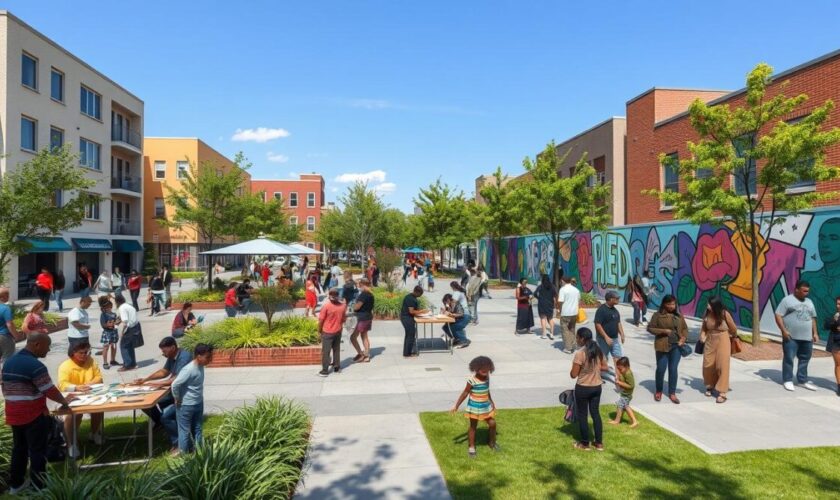
Urban environments offer opportunity, diversity, and access to services, yet they can also create social distance between residents. Busy schedules, dense populations, and fast-paced routines sometimes reduce opportunities for meaningful connection. Community support networks help bridge this gap by strengthening relationships between neighbors, organizations, and local institutions.
Community support networks in cities improve emotional well-being, increase safety, encourage cooperation, and create stronger resilience during challenging times. These networks do not form automatically. They develop through shared experiences, consistent communication, and active participation from residents and local groups.
Understanding how these networks function helps individuals contribute to stronger communities and benefit from collective support.
What Are Community Support Networks
Community support networks are systems of relationships that connect people through shared resources, communication, and cooperation. These networks include both informal relationships and organized programs.
Examples of community support networks include:
- Neighborhood associations
- Volunteer groups
- Faith-based organizations
- Local activity clubs
- Parent groups
- Community gardens
- Support circles for shared interests
These connections provide assistance during everyday situations as well as during unexpected challenges.
Strong networks improve both individual well-being and neighborhood stability.
Why Community Support Matters in Cities
Cities often provide access to services but may lack consistent personal interaction. Community networks help residents feel connected despite crowded surroundings.
Support networks contribute to:
- Reduced feelings of isolation
- Greater access to shared resources
- Stronger neighborhood safety awareness
- Improved emotional resilience
- Increased opportunities for collaboration
Connection strengthens trust between residents.
Trust creates a sense of belonging that supports long-term community stability.
Informal Support Systems Between Neighbors
Informal relationships between neighbors are often the foundation of strong community networks. Simple interactions can grow into dependable support over time.
Examples include:
- Sharing information about local events
- Helping during emergencies
- Watching homes during travel periods
- Supporting childcare arrangements
- Offering transportation assistance
These interactions build familiarity and reliability.
Small acts of cooperation often lead to long-term connections.
The Role of Local Organizations in Strengthening Communities
Local organizations provide structure and coordination that strengthen neighborhood networks. These groups help residents connect with shared goals and resources.
Examples of helpful organizations include:
- Community centers
- Libraries
- Youth activity programs
- Cultural organizations
- Volunteer groups
Organized programs create opportunities for residents to meet regularly.
Consistent participation strengthens cooperation and communication across neighborhoods.
Community Support Networks and Emotional Well-Being
Urban living can sometimes feel isolating despite physical proximity to others. Support networks reduce this isolation by creating opportunities for meaningful interaction.
Benefits for emotional well-being include:
- Increased sense of belonging
- Greater confidence during challenges
- Access to encouragement and advice
- Reduced stress during transitions
- Improved social engagement
Supportive environments help residents feel valued and connected.
Connection improves mental health across age groups.
Strengthening Safety Through Community Awareness
Community support networks often improve neighborhood safety by increasing communication between residents.
Examples of safety-related cooperation include:
- Sharing emergency contact information
- Reporting concerns quickly
- Coordinating neighborhood watch efforts
- Supporting vulnerable residents
Awareness increases when neighbors communicate regularly.
Stronger communication supports safer living environments.
Supporting Families Through Community Connections
Families benefit significantly from community networks. Support from neighbors and organizations helps parents manage responsibilities more effectively.
Helpful family-focused support includes:
- Shared childcare assistance
- Parent discussion groups
- Youth activity programs
- School-related cooperation
- After-school supervision networks
These connections reduce pressure on individual households.
Families feel more confident when support systems are available nearby.
Community Networks and Access to Resources
Urban communities often include many resources that residents may not fully recognize without network connections.
Support networks help residents access:
- Educational programs
- Health services
- Employment opportunities
- Recreational activities
- Housing assistance programs
Information sharing strengthens community participation.
Access improves when residents communicate regularly.
Encouraging Participation in Community Activities
Participation strengthens community networks. Residents who engage with local activities help create environments where cooperation becomes natural.
Examples of participation include:
- Attending neighborhood meetings
- Volunteering at community events
- Supporting local projects
- Joining activity groups
- Participating in neighborhood improvement efforts
Active participation builds trust between residents.
Trust strengthens cooperation over time.
The Importance of Inclusive Community Networks
Urban environments include diverse populations with different cultural backgrounds and experiences. Inclusive networks ensure that all residents feel welcome.
Inclusive communities often include:
- Multilingual communication efforts
- Cultural celebration events
- Accessible meeting locations
- Family-friendly activities
- Youth engagement programs
Inclusion strengthens cooperation across generations and backgrounds.
Diverse perspectives improve community decision-making.
Technology and Modern Community Support Networks
Digital communication tools help urban residents stay connected even when schedules are busy. Online platforms support coordination and information sharing.
Examples include:
- Neighborhood communication groups
- Community event announcements
- Volunteer coordination platforms
- Emergency information alerts
- Resource-sharing forums
Technology strengthens connections when used thoughtfully.
Digital communication supports cooperation between in-person interactions.
Supporting Older Adults Through Community Networks
Older adults benefit significantly from neighborhood support systems. Reliable connections improve both safety and independence.
Helpful support includes:
- Regular check-in visits
- Transportation assistance
- Social activity opportunities
- Health appointment reminders
- Emergency preparedness coordination
Community involvement improves quality of life for older residents.
Intergenerational cooperation strengthens neighborhood relationships.
Youth Engagement in Urban Community Networks
Young people play an important role in community development. Participation helps them develop responsibility and social awareness.
Youth engagement opportunities include:
- Volunteer programs
- Sports activities
- Creative workshops
- Leadership programs
- Neighborhood improvement projects
Participation strengthens confidence and cooperation skills.
Youth involvement supports future community leadership.
Preparing Communities for Unexpected Challenges
Support networks become especially valuable during emergencies or unexpected disruptions. Residents who communicate regularly respond more effectively during difficult situations.
Examples of emergency cooperation include:
- Sharing information quickly
- Supporting vulnerable households
- Coordinating supplies
- Providing temporary assistance
- Organizing neighborhood response efforts
Preparation strengthens resilience during uncertainty.
Communities recover faster when support systems already exist.
Building Stronger Community Networks Through Everyday Interaction
Community networks do not depend only on large programs or events. Everyday interaction creates the foundation for lasting cooperation.
Simple ways to strengthen connections include:
- Greeting neighbors regularly
- Supporting local businesses
- Participating in shared activities
- Offering help during small challenges
- Sharing useful information
These actions create familiarity and trust.
Strong relationships develop through repeated interaction.
Long-Term Benefits of Community Support Networks in Urban Areas
Community networks improve both individual experiences and neighborhood stability over time. Residents who feel connected are more likely to remain engaged and supportive of local improvements.
Long-term benefits include:
- Increased neighborhood cooperation
- Stronger emotional well-being
- Improved safety awareness
- Greater access to resources
- Enhanced community identity
Connected communities support healthier urban living environments.
Shared responsibility strengthens neighborhoods for future generations.
Frequently Asked Questions
How can newcomers quickly become part of a community support network
Attending neighborhood events, introducing themselves to nearby residents, and joining local groups are effective ways to begin building connections.
Do community support networks reduce stress for working professionals
Yes. Access to shared information, childcare options, and neighborhood cooperation can reduce daily pressures for busy households.
Are community support networks helpful during relocation within the same city
Yes. Local networks help residents adjust faster by providing information about services, schools, and activities.
How can apartment residents build strong support networks
Shared spaces such as hallways, activity rooms, and building meetings create opportunities for communication and cooperation.
Can community support networks improve local economic activity
Yes. Supporting local businesses and sharing information about services strengthens neighborhood economic stability.
What role do community events play in strengthening networks
Events create opportunities for residents to meet regularly, which improves familiarity and trust across neighborhoods.
How can residents maintain strong networks when schedules are busy
Short conversations, digital communication groups, and occasional participation in neighborhood activities help maintain connections even with limited time.