
close

Home

Home

UK Orchard Growers Explain 5 Reasons to Grow Cherry Plum Trees

Cherry plums are not a recent discovery. They have been grown in Britain for centuries and are valued for their adaptability and early fruiting. Unlike many fruit trees that demand careful pruning schedules or specialist soil conditions, cherry plums tend to establish quickly and tolerate a wider range of environments. For gardeners in both rural and urban areas, this resilience makes them a practical addition to the garden.

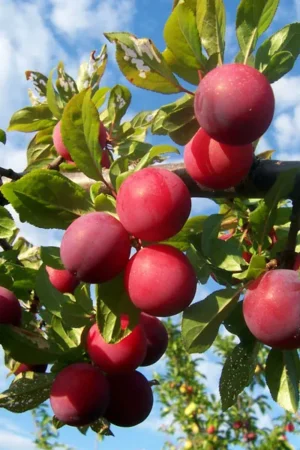
The fruit itself sits somewhere between a plum and a cherry in size and appearance. Depending on the variety, the skin may be yellow, red, or deep purple, and the flavour ranges from sweet to pleasantly sharp. They are widely used for jams, chutneys, and desserts, but they are also enjoyable fresh from the tree.

Demand for unusual yet reliable fruit trees has grown enough that many gardeners now search online for cherry plum trees for sale, particularly when planning a small orchard or diversifying an existing garden planting.

The fruit trees specialists at ChrisBowers note that cherry plums are often overlooked by new growers who focus on apples or traditional plums. They point out that the species can be an excellent starting point for gardeners seeking dependable fruit production with minimal fuss. According to their guidance, choosing established nursery stock such as cherry plum trees for sale can help ensure strong early growth and reliable cropping in British conditions.

Orchard growers across the UK frequently highlight several practical reasons for choosing cherry plum trees. These reasons go beyond novelty and relate directly to the realities of growing fruit successfully in Britain’s often unpredictable climate.

Reliable Cropping in the British Climate

One of the main reasons experienced orchard growers recommend cherry plum trees is their consistent productivity. British weather can be unpredictable, particularly in spring when late frosts can damage blossom on more sensitive fruit trees. Apples, pears, and traditional plums sometimes suffer reduced harvests after cold snaps during flowering.

Cherry plums tend to cope better with these fluctuations. Many varieties flower early but still manage to set fruit reliably, even when conditions are less than ideal. Their natural vigour and resilience allow them to recover from mild frost damage more effectively than some other fruit species.

Growers in southern England often report that cherry plum trees begin producing fruit earlier in their life cycle than comparable plum trees. In many cases, a young tree will start cropping within two or three years of planting. For gardeners who want results quickly, this early productivity is a significant advantage.

Another benefit is the tree’s ability to tolerate different soil conditions. While fruit trees generally prefer well-drained ground, cherry plums are known for coping reasonably well with heavier soils that might challenge other species. This flexibility is particularly useful in areas of the UK where clay soils dominate.

Commercial orchardists also appreciate that cherry plum trees can serve multiple purposes. In addition to producing fruit, they are sometimes used as rootstocks for other plum varieties. Their strong growth and adaptability make them valuable within mixed orchards.

For home gardeners, the most important factor is reliability. A fruit tree that produces a steady harvest each year provides both satisfaction and practical value. Cherry plums deliver this consistency in many parts of the country, from the milder south-west to colder inland regions.

Because of this dependable cropping habit, many orchard growers view cherry plums as one of the most forgiving fruit trees available to British gardeners.

A Tree Well Suited to Smaller Gardens

Modern British gardens are often smaller than those of previous generations. New housing developments frequently include compact outdoor spaces where planting large orchard trees is impractical. As a result, gardeners increasingly look for fruit trees that remain manageable without sacrificing productivity.

Cherry plum trees fit this requirement well. Although they can grow into substantial trees in open orchards, they respond well to pruning and can be maintained at modest sizes suitable for domestic gardens. Many varieties naturally develop a rounded, balanced canopy that is easier to control than some traditional plum trees.

For gardeners with limited space, this characteristic makes cherry plums particularly appealing. A single tree can be trained as a small free-standing specimen or shaped against a fence or wall. With thoughtful pruning, it can also be incorporated into mixed planting areas without dominating the garden.

Another advantage is the tree’s ornamental value. Cherry plum blossom appears early in the season, often before many other fruit trees have started flowering. The delicate white or pale pink blossoms create an attractive display that adds visual interest to the garden in late winter or early spring.

This decorative quality means the tree performs two roles at once: providing seasonal beauty and producing edible fruit. In smaller gardens where every plant must justify its place, this dual purpose is particularly valuable.

Urban gardeners also appreciate that cherry plum trees tend to be hardy and relatively tolerant of environmental stress. They can handle wind exposure, occasional drought, and varying soil quality better than some more delicate fruit species.

As interest in home-grown produce continues to grow in cities and suburbs, cherry plums are gaining recognition as a sensible option for gardeners who want a productive fruit tree without the complexity sometimes associated with larger orchard varieties.

Early Harvests Extend the Fruit Season

Another reason orchard growers encourage planting cherry plum trees is the timing of the harvest. In the UK, most traditional plums ripen from late summer into early autumn. Apples and pears typically follow, meaning the main fruit harvest period often begins in August.

Cherry plums, however, frequently ripen earlier. Some varieties produce fruit as early as July, which can significantly extend the home harvest season. For gardeners who enjoy fresh fruit from their own trees, this earlier cropping fills a gap between soft fruits such as strawberries and the later orchard harvests.

This early fruiting also benefits those who preserve their harvest. Cherry plums are particularly well suited to jam and chutney making, thanks to their natural balance of sweetness and acidity. Their relatively small size means they cook down quickly, producing richly flavoured preserves.

Many growers note that the fruit has a distinctive taste that differs from standard plums. Depending on the variety, the flavour can range from honeyed sweetness to a sharper, more refreshing tang. This diversity allows gardeners to experiment with different culinary uses.

In addition to jams and chutneys, cherry plums are often used in desserts, compotes, and fruit sauces. Their bright colour can also add visual appeal to homemade dishes.

Because the trees tend to crop heavily once established, even a single specimen can yield enough fruit for both fresh eating and preserving. For households interested in self-sufficiency, this productivity is particularly useful.

The earlier harvest window also spreads out garden work. Instead of facing a large volume of fruit all at once later in the season, gardeners can begin gathering produce earlier in the summer and manage the harvest more gradually.

For orchard growers, this extended season is one of the most practical advantages of cherry plum trees.

Low Maintenance Compared with Many Fruit Trees

Maintenance requirements are an important consideration when choosing fruit trees. Some species demand regular spraying, complex pruning routines, or very specific growing conditions. For many gardeners, particularly beginners, this level of care can be discouraging.

Cherry plum trees have gained a reputation for being relatively low maintenance. While basic pruning and occasional feeding will improve results, the trees generally grow well without intensive management.

Their natural vigour helps them recover from minor issues that might weaken other fruit trees. They also tend to establish quickly after planting, producing strong root systems that support steady growth.

Another advantage is their relative resistance to certain pests and diseases that commonly affect plum trees. Although no fruit tree is completely immune to problems, cherry plums often prove more resilient than some traditional varieties.

This durability reduces the need for chemical treatments and allows many gardeners to grow them successfully using organic or low-intervention methods. For those interested in environmentally friendly gardening, this resilience is an important factor.

Pruning is usually straightforward. Most growers simply remove dead or overcrowded branches and shape the canopy to allow light and air circulation. Unlike some fruit trees that require precise pruning at specific times, cherry plums are generally more forgiving.

Their ability to thrive with minimal intervention makes them particularly suitable for gardeners who want fruit production without committing to a highly technical orchard management routine.

A Valuable Addition to Mixed Orchards

Beyond their role in individual gardens, cherry plum trees also have value within larger mixed orchards. Many traditional British orchards contain a diverse range of species, including apples, pears, plums, and damsons. Adding cherry plums can increase both productivity and biodiversity within these spaces.

Because they flower early, cherry plums provide an important source of nectar and pollen for bees and other pollinators emerging at the end of winter. This early food source can support pollinator populations that later help fertilise other fruit trees in the orchard.

Growers often find that cherry plum trees integrate well into existing orchard layouts. Their growth habit allows them to fit alongside larger apple trees without competing excessively for space.

The fruit itself also adds variety to the harvest. A mixed orchard that includes cherry plums produces a broader range of flavours, colours, and uses. This diversity can be appealing for both home growers and small-scale producers who sell fruit locally.

Another interesting feature is the genetic relationship between cherry plums and other plum species. This connection has made them historically significant in fruit tree breeding. Some modern plum varieties trace part of their heritage back to cherry plum ancestors.

For orchard growers who appreciate traditional fruit varieties and horticultural history, planting cherry plums helps preserve a species that has played an important role in the development of many cultivated plums.

As British gardeners increasingly rediscover older fruit varieties and explore alternatives to the standard orchard lineup, cherry plum trees continue to gain attention.

Their resilience, productivity, and adaptability make them a practical choice for both experienced growers and newcomers to fruit cultivation. Whether planted as a single tree in a suburban garden or incorporated into a larger orchard, cherry plums offer a dependable and rewarding addition to the landscape.


read more
Home

6 Yellow Plums That Bring Variety to the Orchard, As Advised by a UK Orchard Specialist

Yellow plums deserve more attention. They can widen the harvest season, add contrast to darker dessert plums, and offer a range of flavours from honeyed sweetness to a sharper, old-fashioned tang. For growers who already have apples, pears or gages, they also bring useful diversity in blossom time, fruit character and kitchen use. A mixed orchard is usually more resilient and more rewarding than one built around a single familiar type, and yellow plums are one of the easiest ways to achieve that.

The fruit trees specialists at Fruit-Trees nursery advise that gardeners who plan carefully for pollination, soil drainage and pruning can get far better results from yellow plums than many expect. They note that buyers who want to buy yellow plum trees should look beyond colour alone and pay close attention to flavour, cropping habit, rootstock choice and local growing conditions, especially in cooler or wetter parts of the UK.

Why Yellow Plums Earn a Place in British Orchards

Yellow plums are often treated as a niche choice, yet they solve several practical problems for home growers. First, they help spread risk. A garden that relies on one or two standard purple plums may suffer badly in a poor flowering spring or after late frost. Planting a broader mix of varieties improves the odds that at least one will crop well. Second, yellow plums can expand the use of a small orchard. Some are excellent for fresh eating, some are better cooked, and some manage both jobs well. That matters in British gardens, where space has to work hard.

They also suit the way many people now garden. Home orchards are not always large, formal spaces. They may be compact back gardens, mixed borders with trained fruit, or a few trees on a lawn. In those settings, a yellow plum can stand out visually without being showy for the sake of it. The pale fruit is easy to spot among foliage, which helps when harvesting at the right moment, and many varieties have an attractive bloom and warm skin tones as they ripen.

From a flavour point of view, yellow plums are more varied than their shared colour suggests. Some have a clear sweetness that makes them suitable for eating straight from the tree. Others have a richer balance of sugar and acidity that improves once cooked. A few retain enough firmness to be useful for tarts, jams and bottling. This range means they can complement apples well in the home kitchen. Early yellow plums can fill the gap before most apples are ready, while late sorts extend the run of fresh fruit in a season that would otherwise depend on pears and cooking apples.

There is also a heritage angle. Several yellow plum types connect directly to the long British and European tradition of mixed fruit growing, where orchards were valued not only for dessert fruit but for preserving, baking, sharing and seasonal continuity. In that sense, choosing yellow plums is not a novelty. It is a return to a more varied and practical way of planting fruit trees.

How to Choose the Right Yellow Plum for Your Site

Before selecting a variety, it helps to think like an orchardist rather than a casual buyer. Colour is the least important factor once the tree is in the ground. The better questions are whether the tree suits your soil, whether it flowers safely in your region, whether it needs a pollination partner, and what you actually want from the fruit. A tree that produces beautiful yellow plums is of little use if the crop arrives all at once when you are away, or if the flavour is wrong for your kitchen habits.

In most parts of the UK, plums do best in fertile, moisture-retentive but well-drained soil. They dislike waterlogging and can struggle on very exposed sites. South-facing or west-facing positions often help with ripening, particularly in northern areas or colder inland gardens. Shelter matters too. Blossom can be damaged by cold winds, and young growth can suffer in a harsh spring. If your site is frost-prone, choose carefully and avoid low pockets where cold air sits overnight.

Rootstock choice is equally important. A more vigorous rootstock may suit a traditional orchard or rougher ground, while a more modest one is usually better for a small garden. The eventual size of the tree affects not only the space it takes up but also pruning, harvesting and disease management. Many home growers choose a tree that becomes too large and then spend years trying to contain it. It is better to match the rootstock to the available room from the start.

Pollination cannot be ignored. Some plum trees are self-fertile, which is useful in smaller gardens, but even self-fertile kinds often crop better with another compatible plum nearby. In larger orchards, this may happen naturally. In smaller gardens, it may need planning. Flowering group and overlap matter more than good intentions.

This is why people who want to buy yellow plum trees should compare growing habit and cropping reliability as closely as flavour descriptions. A superb fruit in the catalogue may be disappointing if it is shy-cropping, awkward to manage, or unsuited to local conditions. The most successful orchard planting usually comes from balanced choices, not romantic ones.

Yellow Egg Plum: The Traditional Choice with Kitchen Strength

Yellow Egg Plum is one of the best-known yellow plums and remains a useful point of reference when comparing varieties. It is an old cultivar, recognisable by its large, oval fruit and plain, practical character. This is not a plum grown mainly for looks or fashion. It earns its place because it has clear uses and a long record in cultivation.

The fruit is generally large and yellow, sometimes with a slight flush depending on sun exposure. The flesh is firm and can be rather simple if eaten raw before full ripeness, which is why this variety is often valued more highly in the kitchen than on the dessert plate. Cooked properly, however, it comes into its own. It holds shape better than many softer plums and works well in pies, tarts, preserves and bottling. For growers who want a productive culinary plum rather than a delicate dessert fruit, that is an advantage rather than a flaw.

In orchard terms, Yellow Egg Plum also brings useful variety because it serves a different purpose from many popular purple dessert plums. A mixed planting benefits from that distinction. If you already grow sweeter, softer varieties for immediate eating, Yellow Egg Plum gives you something sturdier and more functional. It can also be valuable for households that still preserve fruit or cook in quantity during late summer.

That said, it is not a universal answer. Some gardeners are disappointed if they expect intense sweetness straight from the tree. It needs honest positioning. This is a traditional cooking plum first and a fresh-eating plum second. It is most suitable for growers who enjoy practical fruit growing and want a cultivar with a historic feel and a specific role in the kitchen.

Its place in a British orchard is therefore easy to justify. Where modern planting can become repetitive, Yellow Egg Plum adds a different texture, a different use and a direct link to older orchard habits. It is the sort of tree that broadens an orchard’s usefulness even if it is not the one visitors praise first at the garden gate.

Mirabelle de Nancy: Small Fruit, Big Reward

Mirabelle de Nancy offers a different model of yellow plum growing. The fruit is smaller, rounder and generally sweeter than Yellow Egg Plum, with a rich flavour that can seem almost concentrated in a good summer. This is one of the best varieties for proving that yellow plums are not only culinary workhorses. A ripe Mirabelle can be excellent eaten fresh, and the fruit is also highly regarded for jam, compotes and baking.

Its size is part of its appeal. A tree laden with many small golden fruits creates a very different harvest experience from one carrying fewer large plums. Picking can be more leisurely, and the crop often feels abundant even in a modest garden. For households that like making preserves, this can be a real benefit. The fruit cooks down well and develops a depth of flavour that suits simple recipes.

Mirabelle de Nancy also has wider orchard value because it encourages growers to think beyond supermarket expectations. Commercial fruit retail has trained many people to judge plums by size and immediate visual polish. Traditional orchard varieties often reward a different set of priorities: flavour, aroma, texture and usefulness over a longer period. Mirabelle de Nancy belongs firmly in that second camp.

In the UK, site selection remains important. Like many plums, it appreciates warmth and shelter, especially if you want the fruit to develop full sweetness. In a favourable position, it can be very rewarding. In a cool, exposed garden, results may be more variable, though it can still perform well with the right care.

This is also the sort of tree that adds character to a small orchard. Not every plum should do the same job. A planting that includes Mirabelle de Nancy, alongside larger culinary and dessert plums, becomes more interesting and more useful across the season. It invites different forms of harvest and different ways of eating. For growers who value flavour and preserving as much as quantity and size, it is one of the most worthwhile yellow-fruited choices available.

Coe’s Golden Drop and Jefferson: Two Dessert Types Worth Considering

If the goal is to add refinement to the orchard rather than simple utility, Coe’s Golden Drop deserves close attention. Often regarded as one of the finest dessert plums, it is known for rich flavour and excellent quality when grown well. The fruit is usually elongated, golden-yellow and attractive without being gaudy. At its best, it offers sweetness balanced by enough acidity to prevent it from tasting flat. This is the sort of plum that changes the mind of anyone who assumes yellow types are mainly for cooking.

Coe’s Golden Drop does, however, ask more of the grower than easier, more forgiving varieties. To produce first-rate fruit, it benefits from a good site and careful management. In a cool or difficult position, it may not show its full quality. For that reason, it suits gardeners who already understand the basics of fruit growing or who are willing to learn. In a mixed orchard, it can serve as the premium dessert option among tougher, more workaday trees.

Jefferson is another yellow plum worth serious consideration, particularly for those who want a versatile dessert fruit with solid flavour and a reputation for quality. It has long been admired for its balance and eating character. Compared with Coe’s Golden Drop, it can feel slightly less demanding in reputation, though site and care still matter. The fruit is often yellow with a warm flush, and it has enough richness to stand apart from bland modern alternatives.

What makes these two varieties especially useful in orchard planning is that they occupy the dessert end of the spectrum. Many growers default to purple plums when choosing fresh-eating trees, but yellow dessert plums can bring a different flavour profile and a useful visual contrast at harvest. Their inclusion also makes the orchard feel more complete. Instead of growing one type of plum repeatedly, you create layers within the collection: culinary, preserving and dessert.

For gardeners trying to avoid a one-note orchard, that matters. Variety is not merely decorative. It affects how fruit is used, when it is picked and how much satisfaction the planting gives over time. Coe’s Golden Drop and Jefferson both help move a plum collection beyond the ordinary.

Shropshire Prune, Pershore Yellow and the Value of Local Practicality

Not every yellow plum needs to be chosen for rarity or gourmet status. Some of the best orchard decisions come from practical regional thinking. Shropshire Prune, despite its name, is often discussed among the useful old plum types grown in Britain and valued for cooking, drying or preserving qualities. Depending on strain and identification, fruit descriptions can vary, which is common with older cultivars and local naming traditions. What matters for the gardener is the broader lesson: old regional plums often survive in cultivation because they were genuinely useful, dependable or well suited to local conditions.

Pershore Yellow fits that practical tradition well. It is often appreciated as a culinary plum, reliable and productive enough to justify its place in working gardens. For growers who make crumbles, jams or bottled fruit, a tree like this can be more valuable than a finer dessert plum that crops lightly or inconsistently. The modern tendency is to chase flavour notes first, but in real orchards cropping habit and kitchen performance still count for a great deal.

These sorts of varieties are important because they anchor an orchard in reality. A collection made only of famous or delicate cultivars can become hard to manage and oddly narrow in use. By contrast, an orchard that includes one or two dependable yellow cookers or dual-purpose trees is better equipped for British weather and ordinary family life. Not every summer is warm. Not every harvest is leisurely. Sometimes the best tree is the one that bears well, cooks well and asks for little fuss.

This is also where local knowledge matters. A yellow plum that performs admirably in one county may be disappointing in another if the climate, soil or exposure is different. That is why specialist nursery advice remains valuable. Heritage and practicality often meet in these older yellow varieties, and they can be among the most satisfying trees to grow because they contribute steadily rather than spectacularly.

For anyone shaping a mixed orchard, the lesson is clear. Yellow plums should not all be chosen from the dessert shelf. Practical sorts such as Pershore Yellow, and regionally respected older types, help give balance to the planting. They make the orchard more usable, not just more interesting.

Getting the Best from Yellow Plums Year After Year

Once planted, yellow plums need much the same sensible care as other plum trees, but there are a few points worth stressing. The first is pruning. Plums are usually pruned in summer rather than winter to reduce the risk of disease, especially silver leaf. The aim is not aggressive reshaping but a sound, open structure with enough air and light to ripen fruit and keep the tree healthy. Over-pruning can encourage excessive growth at the expense of cropping.

Feeding and watering should also be moderate and thoughtful. Young trees need reliable moisture while establishing, especially in dry springs and early summers. Mature trees usually manage well in decent soil, though prolonged drought can reduce fruit size and quality. Mulching helps conserve moisture and supports soil health. Excessive nitrogen is rarely helpful; it can drive soft growth and reduce the balance of the tree.

Thinning may be necessary in heavy cropping years. Some yellow plums set large numbers of fruit, and while that can seem promising, overcrowding leads to smaller plums, broken branches and reduced quality. A slightly lighter crop of better fruit is usually the wiser outcome. Netting may be needed if birds become a problem, though this depends on the site and nearby habitat.

Patience is often the deciding factor with ripeness. Yellow plums can be harder to judge than dark-skinned kinds because colour change is subtler. Growers need to learn the signs of each variety: slight softening, improved scent, easier separation from the stalk, and the development of full flavour. Picking too early is one of the commonest reasons people underrate plums.

For those planning to buy yellow plum trees, the best long-term approach is to think in combinations rather than single specimens. One variety for dessert, one for cooking, one with heritage value, and one chosen for reliability can transform a modest orchard into a more resilient and enjoyable space. That kind of planting does more than produce fruit. It creates a season with shape, contrast and purpose.

Yellow plums are not a novelty category to be tried once and forgotten. At their best, they bring breadth to the orchard in a way few other fruit trees can. They widen the harvest, diversify the kitchen, and reconnect the modern garden with an older, more practical style of fruit growing. For British gardeners who want more than a standard run of apples and purple plums, they are one of the smartest additions available.

read more
Home

Designing Homes That Support Emotional Well-Being

A home is more than a physical structure. It is the environment where people recover from stress, build relationships, and shape daily habits that influence long-term mental health. The way a home is designed can quietly affect mood, concentration, sleep quality, and emotional resilience.

Designing homes that support emotional well-being does not require expensive renovations or large spaces. Instead, it involves thoughtful choices about light, layout, color, organization, and daily routines. When living environments align with human psychological needs, they promote calmness, stability, and connection.

Understanding how design affects emotional health allows homeowners and families to create spaces that feel supportive rather than overwhelming.

Why Home Design Influences Emotional Health

People spend a large portion of their time indoors. The physical environment surrounding them shapes their stress levels, attention patterns, and emotional responses throughout the day.

A supportive home environment helps:

  • Reduce daily stress
  • Improve sleep quality
  • Encourage positive routines
  • Strengthen family relationships
  • Support concentration and creativity

When homes feel cluttered, poorly lit, or noisy, emotional fatigue increases. Thoughtful design reduces these pressures and creates a sense of comfort and stability.

Even small adjustments can lead to noticeable improvements in mood and productivity.

The Role of Natural Light in Emotional Balance

Natural light plays a central role in supporting mental well-being. Exposure to daylight helps regulate the body’s internal rhythm, improve alertness, and maintain emotional stability.

Homes that maximize daylight often feel more welcoming and energizing.

Ways to increase natural light include:

  • Keeping windows unobstructed
  • Using light-colored curtains
  • Placing mirrors to reflect sunlight
  • Choosing lighter wall colors
  • Positioning seating near windows

Morning daylight is especially valuable because it supports healthy sleep patterns and improves daily energy levels.

People who spend more time in naturally lit spaces often experience better mood regulation throughout the day.

Choosing Colors That Promote Calmness

Color influences emotional responses more than many people realize. Soft, balanced tones create a calming environment, while overly intense colors can increase mental stimulation.

Colors that commonly support emotional comfort include:

  • Soft blues for relaxation
  • Warm neutrals for stability
  • Gentle greens for balance
  • Light earth tones for grounding

Using strong accent colors in small areas can add personality without overwhelming the space.

The goal is not uniformity but harmony. Balanced color combinations create visual comfort that supports emotional ease.

Creating Spaces for Quiet Recovery

Every home benefits from having at least one area dedicated to rest and reflection. This space does not need to be large. Even a small corner can serve as a recovery zone.

A quiet recovery space may include:

  • Comfortable seating
  • Soft lighting
  • Minimal distractions
  • Books or journals
  • Indoor plants

These spaces allow individuals to reset mentally after demanding workdays or social interactions.

Having a predictable place to relax strengthens emotional resilience over time.

The Importance of Decluttered Living Areas

Clutter increases mental load. When environments contain too many visual distractions, the brain must process more information than necessary.

Decluttered homes support:

  • Clear thinking
  • Reduced stress
  • Improved productivity
  • Better decision-making
  • Stronger emotional stability

Simple organization habits make a meaningful difference.

Helpful strategies include:

  • Keeping surfaces mostly clear
  • Creating designated storage areas
  • Removing unused items regularly
  • Organizing entryways efficiently

Clean visual environments help the brain feel more settled and focused.

Designing Social Spaces That Encourage Connection

Homes that support emotional well-being include areas where family members naturally gather and communicate.

Comfortable shared spaces encourage conversation and cooperation.

Features that strengthen social connection include:

  • Seating arranged to face each other
  • Warm lighting instead of harsh overhead lights
  • Flexible furniture layouts
  • Shared activity areas such as dining tables or reading corners

These elements make interaction feel natural rather than forced.

Regular face-to-face conversation improves emotional security within families.

Supporting Healthy Sleep Through Bedroom Design

Bedrooms should function as restorative environments rather than multitasking spaces filled with distractions.

Emotionally supportive bedrooms often include:

  • Soft lighting
  • Comfortable bedding
  • Neutral colors
  • Minimal noise
  • Limited electronic devices

Keeping bedrooms calm and predictable supports deeper sleep and stronger emotional regulation.

Consistent sleep environments help the brain associate the bedroom with rest and recovery.

Bringing Nature Indoors for Emotional Stability

Natural elements reduce stress and improve concentration. Even small connections to nature can create meaningful psychological benefits.

Simple ways to include natural features at home include:

  • Indoor plants
  • Wooden textures
  • Natural fabrics
  • Fresh airflow
  • Outdoor views when available

Plants are especially helpful because they introduce both visual comfort and improved air quality.

Nature-inspired environments support calm thinking and emotional balance.

Designing Entryways That Reduce Daily Stress

The entryway sets the emotional tone for the entire home experience. A welcoming entrance creates a transition between outside stress and indoor comfort.

Helpful entryway features include:

  • Organized storage for shoes and bags
  • Adequate lighting
  • Simple decorative elements
  • Comfortable walking space

A calm entryway prevents clutter from spreading throughout the home.

This small adjustment often improves daily routines significantly.

Creating Flexible Spaces for Changing Needs

Modern households require adaptable environments. Flexible spaces allow homes to support work, learning, rest, and recreation without creating tension between activities.

Flexible design ideas include:

  • Multipurpose furniture
  • Movable seating arrangements
  • Adjustable lighting
  • Convertible storage systems

These features make it easier for homes to respond to changing schedules and responsibilities.

Flexibility reduces frustration and improves daily efficiency.

Managing Noise Levels for Emotional Comfort

Noise strongly influences stress levels. Homes that reduce unnecessary sound distractions support clearer thinking and better emotional regulation.

Ways to manage indoor noise include:

  • Using rugs and curtains to absorb sound
  • Closing gaps around doors
  • Creating quiet zones for focused work
  • Limiting background television noise

Quiet environments help the brain recover more quickly after demanding tasks.

Reduced noise improves both productivity and relaxation.

Supporting Personal Identity Through Design Choices

Emotionally supportive homes reflect the personalities of the people living in them. Personal touches create familiarity and belonging.

Meaningful design elements may include:

  • Family photographs
  • Handmade decorations
  • Cultural artwork
  • Favorite books
  • Travel memories

These items strengthen emotional attachment to the living environment.

Homes that reflect personal identity feel more comforting and stable.

Encouraging Movement Within the Home Environment

Movement supports both physical and emotional health. Home layouts that encourage natural activity throughout the day contribute to improved mood and energy.

Examples include:

  • Open walking paths between rooms
  • Accessible outdoor areas
  • Standing work surfaces when possible
  • Comfortable floor seating options

Movement-friendly homes help reduce sedentary habits that contribute to fatigue and stress.

Even small opportunities for movement can improve emotional resilience.

Establishing Daily Routines That Support Emotional Stability

Design alone does not create emotional comfort. Daily habits reinforce how spaces are experienced.

Helpful routines include:

  • Opening windows each morning
  • Maintaining regular cleaning habits
  • Turning off bright lighting in the evening
  • Using shared spaces intentionally
  • Protecting quiet time before sleep

When routines align with supportive design, homes become powerful environments for emotional stability.

Consistency strengthens the connection between environment and well-being.

Frequently Asked Questions

Can small apartments still support emotional well-being through design

Yes. Thoughtful organization, natural lighting, calming colors, and flexible furniture arrangements can make even compact spaces emotionally supportive.

How does ceiling height influence emotional comfort at home

Higher ceilings often create a sense of openness and creativity, while lower ceilings can feel more intimate and calming depending on how the space is used.

Do scents inside the home affect emotional well-being

Yes. Natural scents such as citrus, lavender, and wood-based aromas can influence relaxation, alertness, and mood stability.

Is it helpful to create technology-free zones inside the home

Technology-free areas encourage better communication, improved sleep habits, and stronger focus during daily activities.

How often should home environments be refreshed or reorganized

Small seasonal adjustments help maintain comfort and prevent environments from feeling stagnant or overwhelming.

Can lighting temperature affect emotional stability indoors

Yes. Warm lighting supports relaxation in the evening, while cooler lighting improves focus during daytime activities.

What role does furniture placement play in emotional comfort

Furniture placement influences movement patterns, conversation flow, and visual balance, all of which contribute to a sense of safety and ease inside the home.

read more
Home

An Overview of Disability Services: What Support is Available?

Living with a disability doesn’t mean giving up on living your best life. With the right support, you can achieve your goals, maintain your independence and stay connected to your community.

Thankfully, there are numerous disability services available in Australia to ensure that those challenges don’t stop you or your loved ones from living a full, independent life.

The key is knowing what’s out there and how to access it. Sifting through the system to access these services can sometimes feel difficult, especially if you have no prior experience. But here in Australia, the National Disability Insurance Scheme (NDIS) has made it easier for many people to get the help they need.

If you’re not eligible for the NDIS, don’t worry. There are other options available, both through local councils and state programs. It’s just a matter of connecting with the right people, asking the right questions, and getting the right advice.

With all of that said, these are the types of support available under disability services:

Personal Care

This is one of those services that might sound basic, but in reality, it can have a massive impact on someone’s daily routine. Personal care services help people with tasks that many of us take for granted, things like getting dressed, showering, or even preparing meals.

Whether you need someone to assist you a few times a week or every day, personal care is there to help.

The greatest part of this service is how it is tailored to make sure you feel in control of your own life, not like you’re being looked after. That’s the key characteristic of this service– giving you independence while still providing the support you need.

Therapy Services

Therapy services are a huge part of what can really change the game when it comes to living with a disability. If you’ve ever heard of physiotherapy, you’ll know that it’s all about helping people move better, gain strength, and maintain mobility. For some, this means working through an injury, and for others, it’s about managing a long-term condition that makes movement difficult.

The beauty of therapy services is how tailored they are to your specific needs. A good physiotherapist won’t just give you exercises to do. Instead, they build a plan around what your body can handle, what your goals are, and how you can live a more active life.

There’s also occupational therapy, which can help you find ways to do everyday tasks more easily, whether that’s at home, at work, or when you’re out and about.

Community Participation

One of the most overlooked, but incredibly important, parts of living with a disability is staying connected to the world around you. Being part of a community, and feeling like you belong somewhere is very fundamental to who we are as people.

Community participation services exist to make sure that individuals with disabilities don’t get left behind or feel isolated.

These services can help you get involved in group activities, and social events, or even just make it easier for you to meet new people and try new things.

You don’t just stay connected—you stay engaged with the things that make life fun and meaningful. For some, it might be joining a book club or attending local events, while others may want to get involved in volunteering. Whatever your interests, these services can help you stay active and connected.

Also Read: The Importance of Community Participation in NDIS

Assistive Technology

Living in a technological era has its pros and cons, but people living with disabilities have enjoyed more of the pros. Technology, through the invention of assistive technology, has come a long way in helping people with disabilities live more independently.

Because they are being funded by the NDIS, you do not even have to bother about the cost of these amenities, which, by the way, can be over the top.

Imagine being able to control your home environment with the touch of a button, or having a device that helps you communicate more easily. Assistive tech is one thing that has helped open a whole new world of possibilities, and give people the independence and freedom they thought they had lost to the disability.

Where Do You Even Start?

Getting started with disability services in Australia is all about understanding what’s available and how to access it. If you’re an NDIS participant, you’re already in a good place to start building a plan that’s tailored to your needs. If not, there are still plenty of local and state-based services to tap into. Explore your options and find the support you need to live a rewarding life.

read more
Home

Reasons to Hire Domestic Staff through a Recruitment Agency

Hiring a domestic staff can be quite a challenge, especially if it is your first time because you don’t know things to pay attention to and so much is involved in the process. Fortunately, there is an easier option- working with a domestic staffing agency. They can help you find the best domestic staff that aligns with your specific family needs.

You might contemplate looking for a domestic staff yourself or seek the assistance of a staffing agency. Well, the latter comes with numerous benefits that we want to discuss in this blog. Let’s explore them.

  1. Obtaining the best candidates

One of the most significant benefits of working with a recruitment agency when looking for domestic staff is that you will gain access to the best candidates. These staffing agencies have access to a pool of qualified experienced individuals.

Job searchers who are skilled and qualified for domestic work may lack the time to browse job boards. Instead, they may go to these staffing agencies to help match them with the ideal position they are looking for. A competent staffing agency will identify a candidate that fits your job specification and your family’s needs and values. This, in the end, results in a successful hire. Therefore, if you are looking for the best domestic staff, you should leave it to the staffing agency; they’ll ensure you get the best.

  1. Expertise in matching candidates

These agencies have extensive expertise and experience in matching candidates with the specific needs of their clients. So, they will take their time to understand your unique needs and preferences, such as specific skills, experience level, cultural fit, and personality traits. This helps to ensure that you get candidates who are both qualified and well-suited to your home’s dynamics.

  1. It saves time and effort

As already mentioned, hiring the best domestic staff can be challenging and time-consuming as it involves posting the job, doing interviews, performing background checks, and making calls to references. Fortunately, a staffing agency will do all these tasks on your behalf. They will screen resumes, conduct initial interviews, and shortlist candidates. The staffing agency can save you a significant amount of time- time that you can spend on other essential aspects of your life.

  1. Offer specialized training and development programs to their candidates

Another incredible thing with staffing agencies is that some of them often provide training and development programs to their candidates. This is an incredible move as it ensures that the candidates are up-to-date with the latest skills and best practices when it comes to domestic work. The training programs may include housekeeping standards, child care, etc. Of course, by hiring your domestic staff through an agency, you can get experienced and knowledgeable domestic staff.

  1. Ongoing support and mediation

Finally, another incredible benefit of hiring your domestic staff through a staffing agency is that these agencies often offer ongoing support even after the placement. If any issue arises between you and the domestic staff, they can act as a mediator to resolve any conflicts and ensure a harmonious working relationship. This ongoing support is essential as it can help maintain a positive and productive working environment.

read more
Home

Oxigenando a Mudança: Estratégias Ecológicas de Flavio Maluf para a Filantropia Global

Navegando na Filantropia Eco-Consciente

Flavio Maluf, um visionário líder empresarial, está moldando a filantropia global com suas estratégias ecológicas. Sua abordagem inovadora não se limita a doar; ela visa criar mudanças significativas no ambiente global. Vamos explorar como Flavio Maluf está oxigenando a filantropia, introduzindo estratégias ambientais e liderando a busca por um impacto positivo no mundo.

A Visão Ecológica de Flavio Maluf

Flavio Maluf não apenas enxerga a filantropia como uma oportunidade de fazer o bem, mas também como uma plataforma para catalisar mudanças ecológicas. Sua visão eco-consciente visa não apenas corrigir problemas sociais, mas também abordar desafios ambientais globais. Essa abordagem inovadora está criando uma mudança de paradigma na filantropia global.

Estratégias de Filantropia Sustentável

As estratégias de Flavio Maluf para a filantropia global têm sustentabilidade no cerne. Ele busca investir em projetos que não apenas proporcionem benefícios imediatos, mas também contribuam para um futuro ambientalmente equilibrado. Seu compromisso com a sustentabilidade é evidente em cada doação, indo além de resolver problemas temporários para abordar questões sistêmicas.

Plantando Sementes para o Futuro

Ao adotar uma abordagem proativa, Flavio Maluf está plantando sementes para um futuro mais verde. Suas doações incluem iniciativas de reflorestamento, conservação da biodiversidade e projetos que visam a restauração de ecossistemas. Essa visão a longo prazo não apenas beneficia o presente, mas também garante um ambiente mais saudável para as gerações futuras.

Parcerias Ecológicas Estratégicas

Flavio Maluf reconhece que a mudança real requer parcerias estratégicas. Sua abordagem inclui colaborações com organizações ambientais de renome, cientistas e especialistas em sustentabilidade. Ao unir forças com aqueles que compartilham sua visão, ele amplifica o impacto de suas doações e fortalece a capacidade de implementar mudanças ambientais significativas.

Educação Ambiental como Pilar

A filantropia de Flavio Maluf não se limita apenas à doação de recursos; ela também coloca a educação ambiental como um pilar essencial. Ele investe em programas educacionais que buscam conscientizar sobre questões ambientais globais, capacitando as comunidades a adotarem práticas mais sustentáveis. Essa abordagem holística visa criar uma compreensão profunda da interconexão entre ações individuais e o meio ambiente.

Medindo o Impacto Ecológico

Flavio Maluf não apenas faz doações, mas também está comprometido em medir o impacto ecológico de suas ações. Ele utiliza métricas específicas para avaliar como suas doações estão contribuindo para metas ambientais, garantindo que cada iniciativa seja eficaz e alinhada com os objetivos de sustentabilidade.

Reconhecimento Internacional pela Abordagem Ecológica

A abordagem ecológica de Flavio Maluf recebeu reconhecimento internacional. Sua filantropia global, impulsionada por estratégias ecológicas, tem sido destaque em fóruns e conferências ambientais globais. Ele se tornou um defensor reconhecido da filantropia sustentável, inspirando outros líderes empresariais a seguirem seu exemplo.

Promovendo a Mudança Cultural

A filantropia de Flavio Maluf não é apenas uma série de doações; é um movimento cultural em direção a uma abordagem mais ecológica da filantropia global. Ele está desafiando as normas estabelecidas e promovendo uma mudança cultural em que a responsabilidade ambiental é uma prioridade central para todas as doações e projetos filantrópicos.

Conclusão

Flavio Maluf, com suas estratégias ecológicas, está liderando uma revolução na filantropia global. Sua visão não convencional e compromisso com a sustentabilidade estão pavimentando o caminho para um futuro em que a filantropia seja sinônimo de impacto ambiental positivo. Ao oxigenar a mudança, Flavio Maluf está criando um legado duradouro de responsabilidade ambiental e inovação filantrópica.

read more
Home

The Homeowner’s Guide to Routine HVAC Maintenance for a Cooler, Cost-Efficient Summer

As a homeowner, you know the importance of maintaining your home’s HVAC system. Not only does it keep you and your family comfortable during the hot summer months, but regular maintenance can also save you money in the long run by improving efficiency and preventing a costly central AC repair in Saratoga Springs. Here are some essential tips for routine HVAC maintenance that will ensure a cooler, more cost-efficient summer:

Change Your Air Filters Regularly

One of the simplest and most effective ways to keep your HVAC system running smoothly is by regularly changing your air filters. These filters trap dust, dirt, and other particles in the air, preventing them from clogging your system and reducing efficiency. By replacing these filters every 1-3 months (depending on usage), you can improve airflow, reduce energy consumption, and extend the lifespan of your HVAC unit.

Clean Your Vents and Ducts

In addition to changing your air filters, it’s crucial to clean your vents and ducts. Over time, dust and debris can accumulate in these areas, blocking airflow and reducing your system’s efficiency. It’s recommended that you have your vents and ducts professionally cleaned every 3-5 years to prevent buildup and maintain optimal airflow.

Schedule an Annual Tune-Up

Just like your car needs regular maintenance, so does your HVAC system. Scheduling a professional tune-up once a year can help identify potential issues and ensure that your system runs at peak efficiency. A trained technician will inspect and clean all components of your HVAC system, including the condenser, coils, and blower motor.

Check Your Outdoor Unit

During warmer months, it’s essential to monitor your outdoor unit. Make sure it’s clear of debris, such as leaves or twigs, that can obstruct airflow. You should also trim any bushes or plants around the unit to ensure proper ventilation. Additionally, check for any signs of damage or wear and tear, such as bent fins on the condenser coils, and address them promptly to prevent further issues.

Monitor Your Thermostat

Your thermostat is the control center for your HVAC system, so it’s essential to keep an eye on it. Make sure it’s functioning correctly by regularly checking its accuracy and changing the batteries if needed. Consider upgrading to a programmable or smart thermostat, which allows you to adjust the temperature remotely and save on energy costs.

By following these simple tips for routine HVAC maintenance, you can ensure a cooler, more cost-efficient summer while prolonging the lifespan of your HVAC system. Remember to consult a professional if you experience issues or have concerns about your system’s performance.

read more
Home

Navigating the Role of Social Workers in Family Preservation Services

Upholding the Crucial Bonds of Family: A Deep-Dive into Social Work’s Front-Line

The social work sector fulfills an indispensable role in protecting and preserving the sanctity of family bonds. Within this complex field, the domain of family preservation services stands as both a bastion and a negotiator of familial integrity. Across the nation, social workers commit themselves to meticulous intervention and support, juggling a myriad of delicate cases with a blend of empathy and professional expertise. In this definitive blog post, we’ll explore the multifaceted world of social work, uncovering the challenges, responsibilities, and ultimately, the heartening impact of their efforts.

The Foundation of Family Preservation

Social workers are the unyielding pillars upon which the concept of ‘family first’ stands. They embody the protective spirit of this mantra, often serving as the first responders in the ferrying of families through crises. Their mission intertwines social justice and familial empowerment, with strategies staunchly fixed on preserving the family unit. With government programs like Family First Home Care, their efforts are further amplified.

Social workers within family preservation services craft specialized blueprints for familial healing, drawing on extensive training, experience, and sometimes intuition. Their work is foundational, helping families and individuals alike to overcome hurdles that, without intervention, may rend lifelong family bonds asunder.

Confronting the Challenges Head-On

But their noble pursuit is not without challenges. Social workers are often on the front lines, facing a formidable array of obstacles as they work towards the seemingly simple goal of family preservation. Compromised only by the lack of resources, they doggedly understand and adapt to the unique complexity of each family’s circumstances.

Resource scarcity can impede the creation of comprehensive support networks that are crucial for family preservation. Social workers often find themselves stretched thin, balancing a high caseload with the need to provide effective, personalized services. In joint effort with the families they serve, they often face deeply ingrained societal issues that exacerbate already fragile family dynamics.

The Tapestry of Responsibilities

Social workers within family preservation are charged with multifaceted responsibilities that range from the legal and administrative to the deeply personal and emotional. Their work is as varied as it is important—assessing risk, formulating intervention strategies, advocating for services, and fortifying familial structures. They often serve as the linchpin in orchestrating the involvement of other professionals, from therapists to law enforcement officers, in the collective preservation effort.

Their approach is holistic, recognizing the interconnected nature of familial wellbeing with individual and community stability. By navigating complex systems and intricate relationships, social workers have the rare vantage point to affect positive, lasting change where it matters most.

Case Studies in Compassionate Leadership

Real-life stories paint vivid pictures of the impact of family preservation services. Take, for instance, the narrative of a social worker who, through tireless advocacy and home-based interventions, helped a single mother access the resources she needed to provide a stable home for her children. The transformation in that family’s life was not just the triumph of one woman, but a reflection of a system that worked tirelessly to preserve the unity and love of that family.

These stories are not isolated incidences but markers of a broader trend that honors the potency of family preservation efforts. Shared wisdom and successful frameworks from such cases can offer invaluable insights to social workers and professionals alike.

Long-Term Outcomes and the Ripple Effect

The work of social workers in family preservation services yields not just immediate results, but a ripple effect that resonates long into the future. Successful family preservation lays the groundwork for trust, resilience, and emotional anchorage within family dynamics. By prioritizing the preservation of relationships, professionals in this sector pave the way for successful reunifications, personal growth, and the nurturing of children in environments free from not only physical but emotional harm.

The long-term benefits transpire in children growing up with a sense of belonging and structure, and in parents who have been supported in their efforts to provide a stable and loving home. These outcomes, though not always immediate, are powerful testimony to the dedication and skill of social workers in the field.

A Resounding Call to Action

In conclusion, the role of social workers in family preservation services is nothing short of heroic. Their tireless vigilance, compassionate interventions, and far-reaching advocacy contribute immeasurably to the fabric of society. It is incumbent upon us, as a community, to support and uplift these individuals who dedicate their lives to protecting and empowering families in times of dire need.

The value they bring, the challenges they face, and the resilience they embody makes the work of social workers truly exceptional. Theirs is a story of courage, hope, and the unwavering pursuit of justice in every family’s story.

For those considering careers in social work, know that your efforts will make a difference. For those already in the field, remember that you are not alone in the fight for family preservation—you are part of a collective movement dedicated to strengthening the very heart of society.

Support your local social workers, advocate for resource allocations, and continue to foster a community that values and reinforces the role of social work in family preservation. Together, we can assure that every family in need has a lifeline — and, most importantly, a team of dedicated social workers ready to help them grasp it.

read more
Home

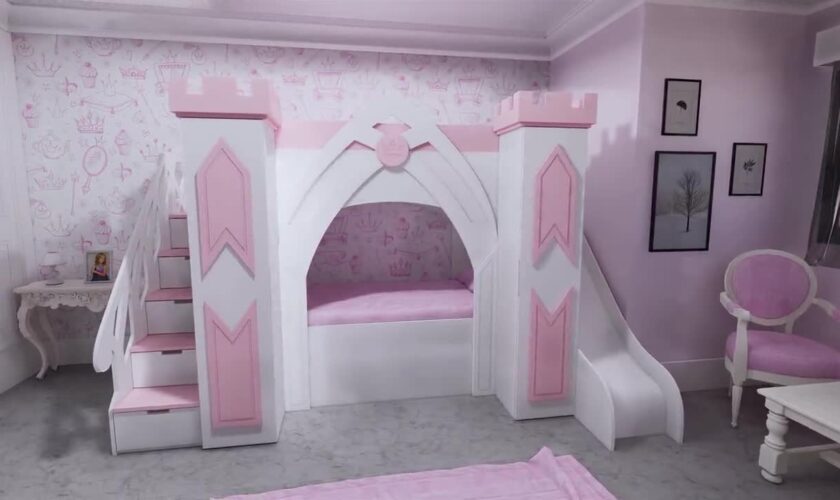
Castle Makeover: How to Craft the Ideal Princess Bedroom

Calling all princesses! Are you dreaming of a bedroom fit for royalty? Look no further because we have all the tips and tricks to transform your ordinary room into a majestic castle. From luxurious fabrics to sparkling decor, creating the perfect princess bedroom is easier than you think. Whether you’re a young princess or a princess at heart, this guide will show you how to add a touch of magic and elegance to your space. Get ready to live out your fairy tale dreams with our castle makeover guide for the ideal princess bedroom.

Selecting a royal color scheme

Begin by choosing a royal color palette. Soft pastels like blush pink, baby blue, or lilac create a whimsical ambiance, while rich hues like deep purple, gold, or silver project regal sophistication. Incorporate these colors into the walls, bedding, and accent pieces. For a touch of sparkle, consider metallic accents. Remember, the color scheme sets the tone of your princess bedroom, so pick shades that evoke feelings of royalty and enchantment.

Choosing the right princess bed

The centerpiece of your princess bedroom is the bed. Opt for a sleigh or four-poster style for an authentic royal feel. A canopy adorned with flowing curtains or twinkling fairy lights adds a magical touch. When selecting bedding, choose fabrics like satin or velvet in your desired color scheme, and don’t forget the decorative pillows! A bed fit for a princess should evoke comfort, elegance, and fantasy.

Incorporating enchanting wall decor

Take your princess bedroom to the next level with enchanting wall decor. Consider using wallpaper for the nursery or child’s room, perhaps in a fairytale or floral pattern that matches your color scheme. Decals of princesses, unicorns, or sparkling stars can also add a charming touch. Remember, a princess’s bedroom walls are her canvas, ready to be adorned with her favorite storybook characters or magical creatures. If you’d rather have painted walls, consider hiring an artist for a custom mural or use stencils to create your own.

Wall hangings, like tapestries or elegant drapes, can provide texture and depth. Lastly, don’t forget about wall shelves to display your princess’s beloved trinkets and keepsakes. After all, every princess needs a place to showcase her crown jewels.

Utilizing princess-themed furniture

Consider princess-themed furniture to amp up the royal vibe. Opt for a vanity set with an ornate mirror and matching stool, perfect for pretend play or getting ready in the morning. A princess-themed bookshelf can house beloved fairy tales. Consider a toy chest disguised as a treasure box for extra fun. Don’t forget a throne-like chair for your princess to sit and rule her kingdom. Choose furniture in your chosen color scheme to maintain harmony in the room.

Adding royal touches with accessories

Accessorizing your princess bedroom is like adding the crown jewels to a royal attire. You could start with princess costumes for girls — a rack of beautiful gowns and tiaras could double as playtime attire and decor. Decorative pillows and plush toys of favorite princess characters can add a cozy and inviting touch. Consider a majestic rug with a royal crest or fairytale motif to provide a soft landing for those tiny royal feet.

A princess-themed clock or mirror can further accentuate the royal theme. Display ornate picture frames with photos or artwork that depict princesses, castles, unicorns, or anything your princess loves. Don’t forget about the windows — opt for curtains with lace trims or satin sashes to let the sunshine in like a true royal. Lastly, every princess needs her crown; consider a special hook or shelf to hang her tiara when she’s not ruling her kingdom. These accessories will enhance the look of your princess bedroom and spark your child’s imagination.

Creating a princess-style ambiance with lighting

Lighting plays a crucial role in crafting a royal ambiance. Opt for a chandelier or pendant light with crystal or pearl accents to add elegance. Fairy lights around the bed or window create a dreamy atmosphere. Consider a nightlight in the shape of a castle or princess character for added charm. Adjustable lights can set the mood for playtime or bedtime stories. Remember, lighting can transform a room into a magical kingdom.

Cultivating imagination through play

A princess bedroom is more than just decor; it’s a magical stage for imaginative play. Incorporate a play corner with a doll castle or a tea set for royal gatherings. Storybooks featuring princess tales promote interactive storytelling, nurturing creativity and language skills. Consider a dress-up trunk filled with princess gowns, tiaras, and magic wands to encourage role-play. Through such playful interactions, your princess can live her fairytale dreams, enhancing cognitive development and social skills in her royal bedroom.

Creating the perfect princess bedroom is more than aesthetics; it’s about nurturing creativity, sparking imagination, and making dreams come true. You can craft a space that feels like a royal retreat by carefully choosing colors, decor, and furniture and incorporating playful elements. Remember, each princess is unique, so tailor the design to reflect her personality and passions. Happy decorating!

read more
Home

Custom Pantry Shelving Ideas

Unleashing the Full Potential of Your Pantry

In the realm of home organization, the pantry stands as a critical area that often requires a thoughtful approach. The ability to quickly locate and access various food items, cooking tools, or cleaning supplies can make your daily routines smoother and more efficient. Custom pantry shelving is an excellent way to meet this need, offering a tailored solution that maximizes your storage space while enhancing the overall aesthetic of your kitchen design. From floating shelves that provide a modern touch, to corner shelves that utilize every inch, to adjustable units that adapt to your changing needs, there are countless possibilities.

This guide aims to inspire you with a range of custom pantry design ideas, each designed to transform your pantry from a mere storage area into an organized, functional, and visually pleasing part of your home. So, whether you’re undertaking a full kitchen remodel or simply looking to better organize your space, these ideas will provide valuable insights.

  1. Glide-Out Shelves

This smart shelving solution allows you to easily access items stored at the back of the shelf. Glide-out shelves, also known as pull-out shelves, make use of the full depth of your pantry, eliminating the need to rummage through your pantry to find what you need. They are highly customizable, and a boon for those with limited mobility.

  1. Practical Small Pantries

Even with limited space, you can create a highly functional pantry. Use vertical space effectively with multi-tiered shelves, door-mounted racks, or stackable bins. Opt for clear containers to quickly identify contents, and consider a lazy Susan for easy access to items at the back.

  1. Tidy Corner Pantries

Utilize every nook and cranny with corner pantries. These clever designs make use of often overlooked space, offering additional storage while maintaining a tidy appearance. Consider adding a carousel system or custom corner shelving to maximize this space.

  1. Clutter-Free Walk-in Pantries

A well-organized walk-in pantry can be a game-changer. With ample space, you can categorize items on different shelves, use storage baskets for loose items, and even incorporate a countertop for extra prep space. Adequate lighting and labels can enhance the usability of your walk-in pantry.

  1. Basement Pantries

If your kitchen lacks space, consider a basement pantry. Cool, dry, and dark basements are ideal for storing non-perishable food items. Use sturdy shelves to store heavier items, install a dehumidifier to prevent moisture, and ensure good ventilation for optimal conditions.

5 Tips for Organizing Your Custom Pantry

  1. Categorize Your Items: Group similar items together to make it easier to find what you need. You could have separate sections for baking goods, canned items, spices, etc. This will not only speed up your cooking process but also help in maintaining the order in your pantry.
  2. Use Clear Containers: Transferring items like cereals, grains, and pasta into clear, airtight containers can help keep them fresh longer while allowing you to see exactly what you have and how much. This will also give your pantry a clean, uniform look.
  3. Label Everything: Labels are a great way to keep things organized and easy to find. They can be particularly helpful if you’re using bins or baskets to store loose items, such as packets of sauce mixes or snack bars.
  4. Make Use of Vertical Space: Don’t forget about the valuable real estate on the backs of doors and walls. Install racks, hooks, or magnetic spice jars to take advantage of these often-overlooked spaces.
  5. Regularly Review and Declutter: Set aside time every few months to go through your pantry and remove anything that’s expired or no longer needed. This will prevent clutter from building up and ensure that your pantry stays organized and functional.

A well-organized custom pantry design can transform your kitchen experience, making meal preparation more efficient and enjoyable. By implementing smart shelving solutions like glide-out shelves, maximizing small spaces, utilizing corner areas, creating clutter-free walk-in pantries, or even considering a basement pantry, you can significantly enhance your storage capabilities and room interior design.

Remember to categorize your items, use clear containers, label everything, take advantage of vertical space in your room interior design, and regularly review and declutter. With these strategies in place, you’ll be able to create a kitchen design that’s not just functional, but also aesthetically pleasing. So, it’s time to roll up your sleeves, get creative, and customize a kitchen design that perfectly suits your needs.

read more
1 2 3 5
Page 1 of 5