
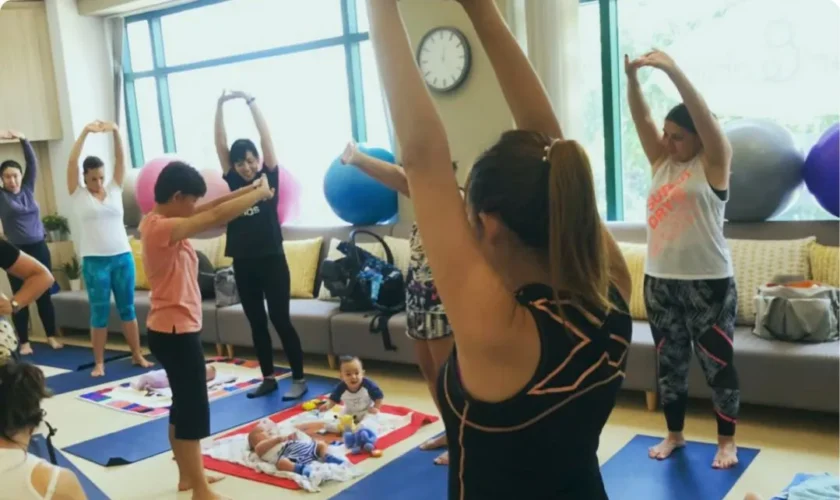
Fitness is no longer seen as an individual pursuit. In Singapore, families are recognising the importance of staying active together. Parents want their children to grow up healthy, strong, and confident, while children look to their parents as role models. Choosing a fitness gym singapore that offers family-friendly programmes makes it easier to balance busy schedules, strengthen bonds, and create lifelong habits of wellness.
The Growing Demand for Family Fitness in Singapore
Modern lifestyles often limit family time. Parents juggle work commitments while children spend hours in school or enrichment classes. As screen time grows, physical activity levels decline, leading to concerns about childhood obesity, poor posture, and reduced stamina.
Family-focused gyms in Singapore address this issue by providing structured programmes that allow parents and children to exercise together or separately within the same facility. This encourages families to stay consistent with fitness while enjoying quality time.
Why Children Benefit from Gym Programmes
Children in Singapore face increasing academic pressure, leaving less time for outdoor play. Gym-based fitness programmes for kids provide:
-
Healthy physical development through strength, balance, and flexibility training.
-
Improved posture and motor skills to counter long study hours.
-
Boosted confidence as children achieve milestones.
-
Better focus and concentration that translate into academic benefits.
-
Social engagement with peers in safe, supervised environments.
By making exercise fun, gyms help children see fitness as an enjoyable activity instead of a chore.
Programmes for Different Age Groups
Gyms design classes to suit the needs of various age ranges, ensuring safety and engagement.
Typical options include:
-
Toddler play-based activities focusing on movement and coordination.
-
Primary school fitness classes with games, obstacle courses, and beginner strength exercises.
-
Teen-focused programmes introducing strength training, cardio, and discipline in workouts.
This progression ensures children grow up with the skills, confidence, and discipline to maintain fitness independently.
Parental Participation and Role Modelling
Children learn best by observing. When parents exercise regularly, children are more likely to adopt the same habits. Many gyms in Singapore encourage family workouts where parents and children share the same space or participate in partner activities.
Benefits of shared workouts include:
-
Stronger emotional bonds between parents and children.
-
Mutual encouragement and accountability.
-
Better understanding of healthy habits within the family unit.
Family-Friendly Facilities in Gyms
To cater to families, gyms are expanding their facilities and services beyond standard equipment. Features may include:
-
Childcare services for younger children.
-
Dedicated kids’ play zones or studios.
-
Group classes designed for families to attend together.
-
Cafés with healthy menus suitable for children.
These additions make gyms inclusive spaces where the whole family can thrive.
Safety Considerations for Kids in Gyms
Safety is a top priority when children train in gyms. Professional supervision ensures exercises are age-appropriate and safe. Precautions often include:
-
Child-sized equipment to suit smaller bodies.
-
Warm-up and cool-down routines adapted for young participants.
-
Certified trainers with experience in child development.
-
Strict safety checks on gym spaces.
These measures give parents confidence that their children are training responsibly.
Balancing Fun and Discipline
One challenge in kids’ fitness is maintaining interest. Gyms achieve this by mixing fun elements with structured routines. For example, fitness games, obstacle challenges, and music-driven activities keep children engaged while still promoting strength and coordination.
Benefits for Parents
Family fitness is not only about the children. Parents also benefit significantly when they train in gyms with family-focused programmes.
-
Parents save time by combining personal workouts with children’s sessions.
-
The convenience of one location reduces scheduling conflicts.
-
Families develop shared health goals that strengthen commitment.
-
Parents find motivation in being role models for their children.
Building Lifelong Habits
The ultimate goal of family and kids’ programmes is to instil lifelong habits. Children who are introduced to fitness early often grow into adults who view exercise as a natural and necessary part of life. By participating together, families create traditions around wellness that last for generations.
The Role of True Fitness Singapore
True Fitness Singapore has developed facilities and programmes that welcome both adults and children. With its commitment to safe, supportive, and engaging fitness experiences, it provides families with opportunities to train together, enjoy wellness, and build habits that extend beyond the gym walls.
The Future of Family Fitness in Singapore
As families place greater value on quality time and holistic health, gyms will continue to expand their offerings. Expect more creative family classes, parent-child challenges, and child-focused facilities that make gyms integral to family life. The concept of fitness as a shared journey will become the standard, not the exception.
FAQs
Q. At what age can my child safely start using a gym?
A. Many gyms offer programmes for children as young as three, focusing on play and coordination. Structured strength training is typically introduced around age 12 under professional supervision.
Q. Will gym training affect my child’s growth?
A. When supervised properly, gym workouts support healthy development. Age-appropriate exercises strengthen muscles and bones without interfering with growth.
Q. What if my child finds gym activities boring?
A. Family gyms design sessions to be fun and interactive, often using games, challenges, and group activities to keep children engaged.
Q. Can my family share one membership?
A. Some gyms offer family packages where parents and children are included under a single plan. Others provide discounted add-ons for kids.
Q. Are there programmes for children with special needs?
A. Many gyms now provide inclusive classes with modified activities and trained instructors who ensure every child can participate safely.