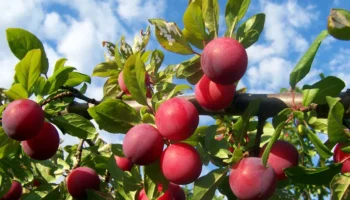

Yellow plums deserve more attention. They can widen the harvest season, add contrast to darker dessert plums, and offer a range of flavours from honeyed sweetness to a sharper, old-fashioned tang. For growers who already have apples, pears or gages, they also bring useful diversity in blossom time, fruit character and kitchen use. A mixed orchard is usually more resilient and more rewarding than one built around a single familiar type, and yellow plums are one of the easiest ways to achieve that.
The fruit trees specialists at Fruit-Trees nursery advise that gardeners who plan carefully for pollination, soil drainage and pruning can get far better results from yellow plums than many expect. They note that buyers who want to buy yellow plum trees should look beyond colour alone and pay close attention to flavour, cropping habit, rootstock choice and local growing conditions, especially in cooler or wetter parts of the UK.
Why Yellow Plums Earn a Place in British Orchards
Yellow plums are often treated as a niche choice, yet they solve several practical problems for home growers. First, they help spread risk. A garden that relies on one or two standard purple plums may suffer badly in a poor flowering spring or after late frost. Planting a broader mix of varieties improves the odds that at least one will crop well. Second, yellow plums can expand the use of a small orchard. Some are excellent for fresh eating, some are better cooked, and some manage both jobs well. That matters in British gardens, where space has to work hard.
They also suit the way many people now garden. Home orchards are not always large, formal spaces. They may be compact back gardens, mixed borders with trained fruit, or a few trees on a lawn. In those settings, a yellow plum can stand out visually without being showy for the sake of it. The pale fruit is easy to spot among foliage, which helps when harvesting at the right moment, and many varieties have an attractive bloom and warm skin tones as they ripen.
From a flavour point of view, yellow plums are more varied than their shared colour suggests. Some have a clear sweetness that makes them suitable for eating straight from the tree. Others have a richer balance of sugar and acidity that improves once cooked. A few retain enough firmness to be useful for tarts, jams and bottling. This range means they can complement apples well in the home kitchen. Early yellow plums can fill the gap before most apples are ready, while late sorts extend the run of fresh fruit in a season that would otherwise depend on pears and cooking apples.
There is also a heritage angle. Several yellow plum types connect directly to the long British and European tradition of mixed fruit growing, where orchards were valued not only for dessert fruit but for preserving, baking, sharing and seasonal continuity. In that sense, choosing yellow plums is not a novelty. It is a return to a more varied and practical way of planting fruit trees.
How to Choose the Right Yellow Plum for Your Site
Before selecting a variety, it helps to think like an orchardist rather than a casual buyer. Colour is the least important factor once the tree is in the ground. The better questions are whether the tree suits your soil, whether it flowers safely in your region, whether it needs a pollination partner, and what you actually want from the fruit. A tree that produces beautiful yellow plums is of little use if the crop arrives all at once when you are away, or if the flavour is wrong for your kitchen habits.
In most parts of the UK, plums do best in fertile, moisture-retentive but well-drained soil. They dislike waterlogging and can struggle on very exposed sites. South-facing or west-facing positions often help with ripening, particularly in northern areas or colder inland gardens. Shelter matters too. Blossom can be damaged by cold winds, and young growth can suffer in a harsh spring. If your site is frost-prone, choose carefully and avoid low pockets where cold air sits overnight.
Rootstock choice is equally important. A more vigorous rootstock may suit a traditional orchard or rougher ground, while a more modest one is usually better for a small garden. The eventual size of the tree affects not only the space it takes up but also pruning, harvesting and disease management. Many home growers choose a tree that becomes too large and then spend years trying to contain it. It is better to match the rootstock to the available room from the start.
Pollination cannot be ignored. Some plum trees are self-fertile, which is useful in smaller gardens, but even self-fertile kinds often crop better with another compatible plum nearby. In larger orchards, this may happen naturally. In smaller gardens, it may need planning. Flowering group and overlap matter more than good intentions.
This is why people who want to buy yellow plum trees should compare growing habit and cropping reliability as closely as flavour descriptions. A superb fruit in the catalogue may be disappointing if it is shy-cropping, awkward to manage, or unsuited to local conditions. The most successful orchard planting usually comes from balanced choices, not romantic ones.
Yellow Egg Plum: The Traditional Choice with Kitchen Strength
Yellow Egg Plum is one of the best-known yellow plums and remains a useful point of reference when comparing varieties. It is an old cultivar, recognisable by its large, oval fruit and plain, practical character. This is not a plum grown mainly for looks or fashion. It earns its place because it has clear uses and a long record in cultivation.
The fruit is generally large and yellow, sometimes with a slight flush depending on sun exposure. The flesh is firm and can be rather simple if eaten raw before full ripeness, which is why this variety is often valued more highly in the kitchen than on the dessert plate. Cooked properly, however, it comes into its own. It holds shape better than many softer plums and works well in pies, tarts, preserves and bottling. For growers who want a productive culinary plum rather than a delicate dessert fruit, that is an advantage rather than a flaw.
In orchard terms, Yellow Egg Plum also brings useful variety because it serves a different purpose from many popular purple dessert plums. A mixed planting benefits from that distinction. If you already grow sweeter, softer varieties for immediate eating, Yellow Egg Plum gives you something sturdier and more functional. It can also be valuable for households that still preserve fruit or cook in quantity during late summer.
That said, it is not a universal answer. Some gardeners are disappointed if they expect intense sweetness straight from the tree. It needs honest positioning. This is a traditional cooking plum first and a fresh-eating plum second. It is most suitable for growers who enjoy practical fruit growing and want a cultivar with a historic feel and a specific role in the kitchen.
Its place in a British orchard is therefore easy to justify. Where modern planting can become repetitive, Yellow Egg Plum adds a different texture, a different use and a direct link to older orchard habits. It is the sort of tree that broadens an orchard’s usefulness even if it is not the one visitors praise first at the garden gate.
Mirabelle de Nancy: Small Fruit, Big Reward
Mirabelle de Nancy offers a different model of yellow plum growing. The fruit is smaller, rounder and generally sweeter than Yellow Egg Plum, with a rich flavour that can seem almost concentrated in a good summer. This is one of the best varieties for proving that yellow plums are not only culinary workhorses. A ripe Mirabelle can be excellent eaten fresh, and the fruit is also highly regarded for jam, compotes and baking.
Its size is part of its appeal. A tree laden with many small golden fruits creates a very different harvest experience from one carrying fewer large plums. Picking can be more leisurely, and the crop often feels abundant even in a modest garden. For households that like making preserves, this can be a real benefit. The fruit cooks down well and develops a depth of flavour that suits simple recipes.
Mirabelle de Nancy also has wider orchard value because it encourages growers to think beyond supermarket expectations. Commercial fruit retail has trained many people to judge plums by size and immediate visual polish. Traditional orchard varieties often reward a different set of priorities: flavour, aroma, texture and usefulness over a longer period. Mirabelle de Nancy belongs firmly in that second camp.
In the UK, site selection remains important. Like many plums, it appreciates warmth and shelter, especially if you want the fruit to develop full sweetness. In a favourable position, it can be very rewarding. In a cool, exposed garden, results may be more variable, though it can still perform well with the right care.
This is also the sort of tree that adds character to a small orchard. Not every plum should do the same job. A planting that includes Mirabelle de Nancy, alongside larger culinary and dessert plums, becomes more interesting and more useful across the season. It invites different forms of harvest and different ways of eating. For growers who value flavour and preserving as much as quantity and size, it is one of the most worthwhile yellow-fruited choices available.
Coe’s Golden Drop and Jefferson: Two Dessert Types Worth Considering
If the goal is to add refinement to the orchard rather than simple utility, Coe’s Golden Drop deserves close attention. Often regarded as one of the finest dessert plums, it is known for rich flavour and excellent quality when grown well. The fruit is usually elongated, golden-yellow and attractive without being gaudy. At its best, it offers sweetness balanced by enough acidity to prevent it from tasting flat. This is the sort of plum that changes the mind of anyone who assumes yellow types are mainly for cooking.
Coe’s Golden Drop does, however, ask more of the grower than easier, more forgiving varieties. To produce first-rate fruit, it benefits from a good site and careful management. In a cool or difficult position, it may not show its full quality. For that reason, it suits gardeners who already understand the basics of fruit growing or who are willing to learn. In a mixed orchard, it can serve as the premium dessert option among tougher, more workaday trees.
Jefferson is another yellow plum worth serious consideration, particularly for those who want a versatile dessert fruit with solid flavour and a reputation for quality. It has long been admired for its balance and eating character. Compared with Coe’s Golden Drop, it can feel slightly less demanding in reputation, though site and care still matter. The fruit is often yellow with a warm flush, and it has enough richness to stand apart from bland modern alternatives.
What makes these two varieties especially useful in orchard planning is that they occupy the dessert end of the spectrum. Many growers default to purple plums when choosing fresh-eating trees, but yellow dessert plums can bring a different flavour profile and a useful visual contrast at harvest. Their inclusion also makes the orchard feel more complete. Instead of growing one type of plum repeatedly, you create layers within the collection: culinary, preserving and dessert.
For gardeners trying to avoid a one-note orchard, that matters. Variety is not merely decorative. It affects how fruit is used, when it is picked and how much satisfaction the planting gives over time. Coe’s Golden Drop and Jefferson both help move a plum collection beyond the ordinary.
Shropshire Prune, Pershore Yellow and the Value of Local Practicality
Not every yellow plum needs to be chosen for rarity or gourmet status. Some of the best orchard decisions come from practical regional thinking. Shropshire Prune, despite its name, is often discussed among the useful old plum types grown in Britain and valued for cooking, drying or preserving qualities. Depending on strain and identification, fruit descriptions can vary, which is common with older cultivars and local naming traditions. What matters for the gardener is the broader lesson: old regional plums often survive in cultivation because they were genuinely useful, dependable or well suited to local conditions.
Pershore Yellow fits that practical tradition well. It is often appreciated as a culinary plum, reliable and productive enough to justify its place in working gardens. For growers who make crumbles, jams or bottled fruit, a tree like this can be more valuable than a finer dessert plum that crops lightly or inconsistently. The modern tendency is to chase flavour notes first, but in real orchards cropping habit and kitchen performance still count for a great deal.
These sorts of varieties are important because they anchor an orchard in reality. A collection made only of famous or delicate cultivars can become hard to manage and oddly narrow in use. By contrast, an orchard that includes one or two dependable yellow cookers or dual-purpose trees is better equipped for British weather and ordinary family life. Not every summer is warm. Not every harvest is leisurely. Sometimes the best tree is the one that bears well, cooks well and asks for little fuss.
This is also where local knowledge matters. A yellow plum that performs admirably in one county may be disappointing in another if the climate, soil or exposure is different. That is why specialist nursery advice remains valuable. Heritage and practicality often meet in these older yellow varieties, and they can be among the most satisfying trees to grow because they contribute steadily rather than spectacularly.
For anyone shaping a mixed orchard, the lesson is clear. Yellow plums should not all be chosen from the dessert shelf. Practical sorts such as Pershore Yellow, and regionally respected older types, help give balance to the planting. They make the orchard more usable, not just more interesting.
Getting the Best from Yellow Plums Year After Year
Once planted, yellow plums need much the same sensible care as other plum trees, but there are a few points worth stressing. The first is pruning. Plums are usually pruned in summer rather than winter to reduce the risk of disease, especially silver leaf. The aim is not aggressive reshaping but a sound, open structure with enough air and light to ripen fruit and keep the tree healthy. Over-pruning can encourage excessive growth at the expense of cropping.
Feeding and watering should also be moderate and thoughtful. Young trees need reliable moisture while establishing, especially in dry springs and early summers. Mature trees usually manage well in decent soil, though prolonged drought can reduce fruit size and quality. Mulching helps conserve moisture and supports soil health. Excessive nitrogen is rarely helpful; it can drive soft growth and reduce the balance of the tree.
Thinning may be necessary in heavy cropping years. Some yellow plums set large numbers of fruit, and while that can seem promising, overcrowding leads to smaller plums, broken branches and reduced quality. A slightly lighter crop of better fruit is usually the wiser outcome. Netting may be needed if birds become a problem, though this depends on the site and nearby habitat.
Patience is often the deciding factor with ripeness. Yellow plums can be harder to judge than dark-skinned kinds because colour change is subtler. Growers need to learn the signs of each variety: slight softening, improved scent, easier separation from the stalk, and the development of full flavour. Picking too early is one of the commonest reasons people underrate plums.
For those planning to buy yellow plum trees, the best long-term approach is to think in combinations rather than single specimens. One variety for dessert, one for cooking, one with heritage value, and one chosen for reliability can transform a modest orchard into a more resilient and enjoyable space. That kind of planting does more than produce fruit. It creates a season with shape, contrast and purpose.
Yellow plums are not a novelty category to be tried once and forgotten. At their best, they bring breadth to the orchard in a way few other fruit trees can. They widen the harvest, diversify the kitchen, and reconnect the modern garden with an older, more practical style of fruit growing. For British gardeners who want more than a standard run of apples and purple plums, they are one of the smartest additions available.