
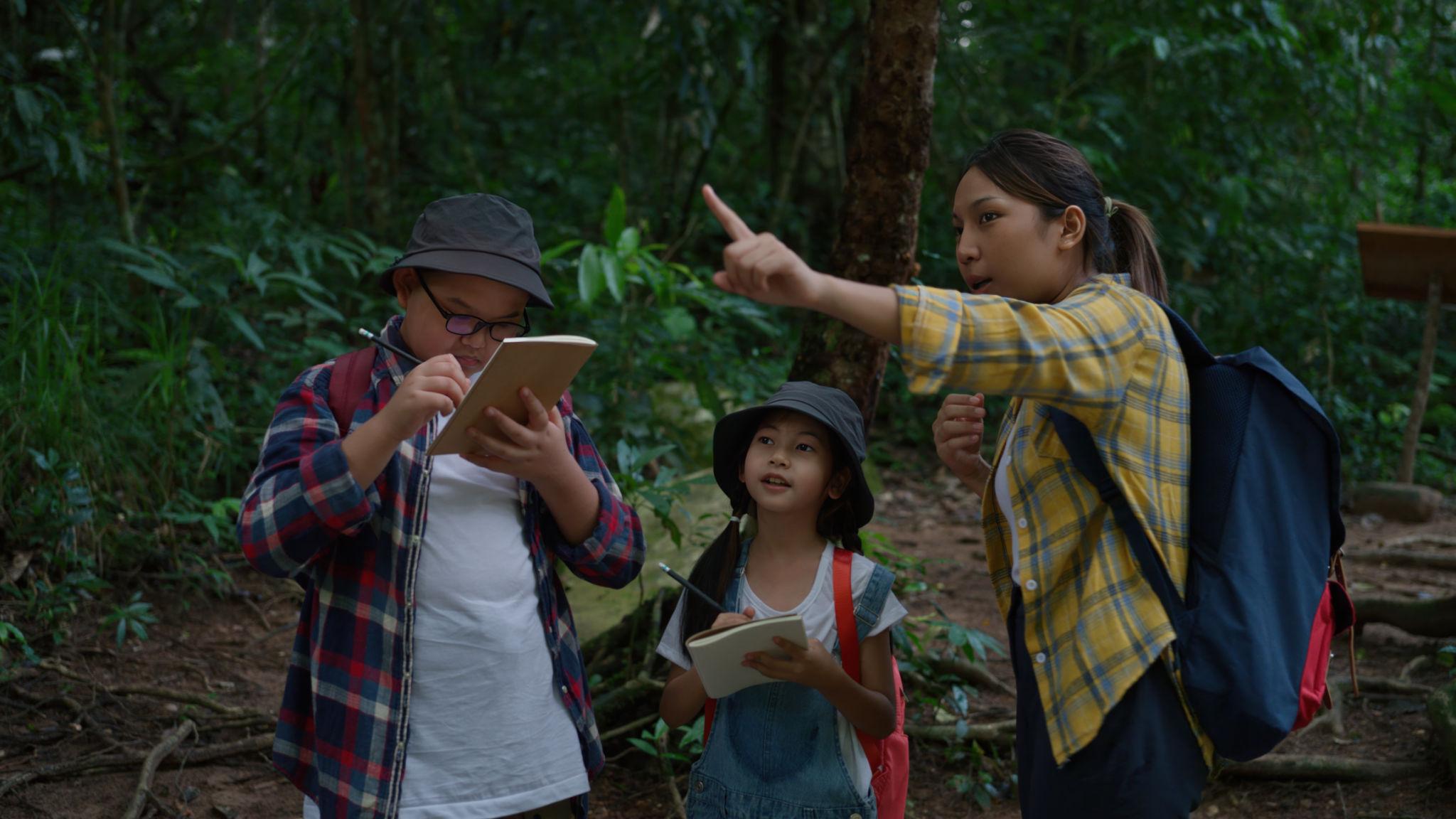
Curiosity is one of the most powerful drivers of childhood learning. It motivates children to explore their surroundings, ask questions, solve problems, and develop independence. However, modern childhood often includes tightly scheduled routines filled with structured lessons, activities, and expectations. While these opportunities can be valuable, too much structure can unintentionally limit natural exploration.
Encouraging curiosity without overstructuring childhood means creating environments where children feel free to investigate ideas, experiment with solutions, and follow their interests at their own pace. When families support both guidance and freedom, children develop stronger confidence, creativity, and emotional resilience.
Understanding how to balance structure and independence helps parents create conditions where curiosity naturally thrives.
Why Curiosity Is Essential for Healthy Development
Curiosity supports intellectual growth, emotional confidence, and social awareness. Children who are encouraged to explore ideas independently often become more adaptable learners.
Benefits of curiosity-driven learning include:
- Stronger problem-solving abilities
- Increased motivation to learn
- Greater creativity
- Improved communication skills
- Higher emotional confidence
Curiosity also supports persistence. When children are interested in discovering answers, they are more willing to work through challenges.
This internal motivation often leads to lifelong learning habits.
Understanding the Risks of Overstructuring Childhood
Structured activities can provide important learning experiences. However, when every hour is planned, children lose opportunities to experiment and reflect independently.
Overstructured childhood environments may lead to:
- Reduced independent thinking
- Lower tolerance for uncertainty
- Increased performance pressure
- Limited creativity development
- Dependence on external direction
Children benefit from structure that provides safety and consistency, but they also need time to explore without constant instruction.
Balancing both elements supports healthy development.
The Difference Between Guidance and Control
Guidance helps children grow. Control limits their ability to make decisions independently. Recognizing the difference allows parents to support curiosity without removing direction entirely.
Guidance often includes:
- Offering suggestions instead of commands
- Asking questions instead of giving immediate answers
- Encouraging exploration
- Supporting experimentation
Control often involves:
- Providing step-by-step instructions for every task
- Correcting mistakes too quickly
- Setting rigid expectations for outcomes
- Limiting independent decision-making
Children develop confidence when they feel trusted to try new approaches.
Creating Space for Unstructured Play
Unstructured play is one of the most effective ways to support curiosity. During free play, children explore ideas without worrying about evaluation or performance.
Examples of unstructured play include:
- Building with blocks
- Drawing freely
- Playing outdoors
- Creating imaginary games
- Exploring nature
These activities allow children to develop problem-solving skills naturally.
Free play also supports emotional flexibility and creativity.
Encouraging Questions Instead of Immediate Answers
Children learn best when they participate actively in discovery. When adults provide answers too quickly, they reduce opportunities for exploration.
Instead of responding immediately, parents can ask questions such as:
- What do you think might happen
- How could we find out together
- What other ideas can we try
This approach strengthens reasoning skills and confidence.
Children begin to see learning as a process rather than a fixed outcome.
Supporting Curiosity Through Everyday Experiences
Curiosity does not require special materials or formal lessons. Daily routines provide many opportunities for exploration.
Simple examples include:
- Cooking together
- Observing weather changes
- Gardening
- Visiting local parks
- Organizing household items
These experiences encourage observation and experimentation naturally.
Children often learn more through real-life experiences than structured instruction alone.
Allowing Safe Mistakes to Support Learning
Mistakes are essential for discovery. When children feel safe making errors, they are more willing to explore new ideas.
Supportive responses to mistakes include:
- Encouraging reflection instead of correction
- Recognizing effort rather than results
- Asking what they learned from the experience
- Offering help only when necessary
Mistakes help children develop persistence and flexibility.
Confidence grows when children learn that errors are part of progress.
Limiting Overscheduling Without Removing Opportunities
Activities such as music lessons, sports, and clubs provide valuable skills. However, too many scheduled commitments can reduce time for independent thinking.
Balanced scheduling often includes:
- One or two structured activities per week
- Regular free time after school
- Unplanned weekend hours
- Time for hobbies chosen by the child
This balance supports both skill development and creativity.
Children benefit when they have time to decide how they want to spend their energy.
Creating Curiosity-Friendly Home Environments
Home environments influence how children explore ideas. Spaces that support creativity encourage experimentation.
Helpful environment features include:
- Accessible art supplies
- Open floor space for building activities
- Books within reach
- Outdoor play opportunities
- Flexible seating arrangements
When materials are easy to access, children explore more often.
Environment design can quietly support curiosity every day.
Encouraging Observation Skills in Daily Life
Observation is the foundation of curiosity. Children who notice details are more likely to ask questions and investigate patterns.
Parents can strengthen observation skills by encouraging children to:
- Describe what they see outdoors
- Compare objects around the home
- Notice changes over time
- Recognize patterns in nature
These activities develop attention and awareness.
Observation builds the foundation for scientific thinking.
Supporting Independent Decision-Making
Decision-making strengthens confidence and curiosity. Children who make choices feel more invested in learning experiences.
Simple opportunities for decision-making include:
- Choosing books to read
- Selecting clothing
- Planning weekend activities
- Organizing personal spaces
These experiences teach responsibility without pressure.
Children learn that their ideas are valuable.
Encouraging Creative Problem Solving
Creative problem solving develops when children face open-ended challenges without predetermined solutions.
Examples include:
- Building structures with household materials
- Designing games with friends
- Solving puzzles
- Creating stories
Open-ended challenges allow children to test multiple solutions.
This flexibility strengthens long-term learning ability.
Modeling Curiosity as an Adult
Children observe how adults respond to uncertainty. When parents demonstrate curiosity, children learn that exploration continues throughout life.
Adults can model curiosity by:
- Asking questions aloud
- Exploring new hobbies
- Reading regularly
- Sharing discoveries
- Trying unfamiliar activities
Modeling curiosity encourages children to stay open to new experiences.
Learning becomes a shared family value.
Balancing Safety With Exploration
Children need opportunities to explore while remaining safe. Healthy boundaries allow curiosity to develop without unnecessary risk.
Balanced exploration includes:
- Clear safety expectations
- Supervised independence
- Age-appropriate challenges
- Supportive guidance when needed
Safety supports confidence rather than limiting exploration.
Children feel secure when expectations are predictable.
Encouraging Long-Term Motivation Through Curiosity
Curiosity supports internal motivation that lasts longer than reward-based learning systems.
Children who develop curiosity-driven habits often:
- Explore topics independently
- Persist through challenges
- Ask thoughtful questions
- Enjoy learning experiences
These habits contribute to stronger academic and emotional development.
Internal motivation helps children adapt to new environments throughout life.
Frequently Asked Questions
How much free time should children have each day for curiosity-based activities
Children benefit from at least one to two hours of unscheduled time daily depending on age, school responsibilities, and family routines.
Can structured learning environments still support curiosity
Yes. Structured learning supports curiosity when activities allow flexibility, creativity, and student choice within the learning process.
What role does boredom play in developing curiosity
Boredom often encourages children to invent games, explore ideas, and develop imagination when given time and space.
Should parents step in when children struggle during exploration
Support is helpful when frustration becomes overwhelming, but allowing children time to attempt solutions independently strengthens persistence.
How does outdoor exploration influence curiosity development
Outdoor environments provide changing sensory experiences that naturally encourage observation, experimentation, and discovery.
Are digital learning tools helpful or harmful for curiosity
Digital tools can support curiosity when used interactively rather than passively and when balanced with hands-on experiences.
How can families support curiosity when schedules are busy
Short daily conversations, shared observation activities, and weekend exploration opportunities help maintain curiosity even in structured routines.