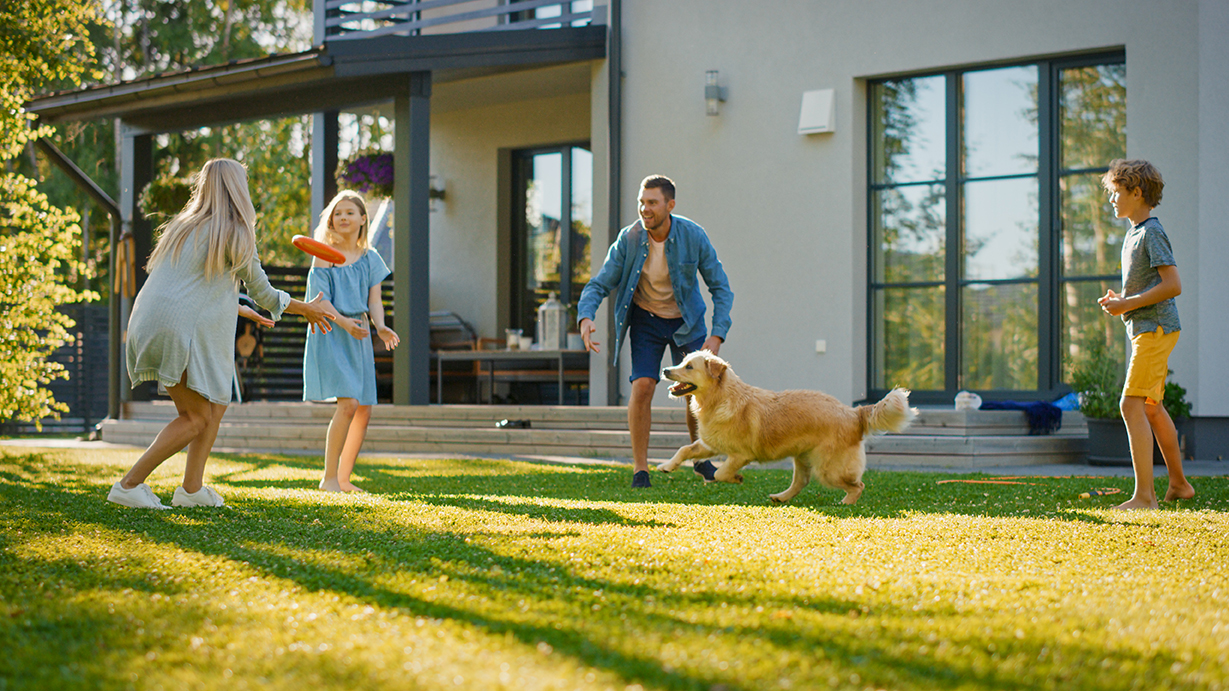
Ingredient awareness has become a normal part of modern family life. People read labels more carefully, compare products, and think about what they bring into the home. This habit usually begins with human food, but it can also extend to the animals living in the same household. Dogs depend entirely on their owners to make food choices for them, so ingredient quality matters more than many people realise.
Better choices do not mean every product must be expensive or complicated. It simply means paying attention. A household that becomes more aware of ingredients often makes better decisions in the kitchen, at the supermarket, and in the way pets are fed.
Labels Tell a Story
A food label is not just a list of ingredients. It tells owners what they are really buying. The first few ingredients usually matter most because they make up a large part of the product. When people learn to read labels properly, they become better at spotting unnecessary fillers, added sugars, artificial flavours, and vague descriptions.
This same habit can be useful for dog snacks and rewards. Dogs may not need the same foods as people, but they still benefit when owners understand what is inside the products they choose. A treat should not become a hidden source of poor nutrition.
Healthy Habits Often Start at Home
Most long-term food habits are shaped inside the home. If the pantry is full of highly processed snacks, both adults and children are more likely to reach for them. If healthier options are visible and easy to access, better choices become simpler.
The same idea applies to dogs. Owners often give dogs whatever is nearby, especially during training or when the dog looks eager. Keeping suitable snacks available can prevent random feeding. Many owners choose Healthy Dog treats as a more thoughtful option when they want to reward their dog without relying on table scraps or unsuitable foods.
Dogs Should Not Be Treated Like Small Humans
It is common for families to share food with dogs, but not every human food is safe for them. Some foods that are normal in a family kitchen can upset a dog’s stomach or even be dangerous. Chocolate, onions, grapes, raisins, and certain artificial sweeteners are well-known concerns.
Even foods that are not toxic can still cause problems if given too often. Fatty leftovers, salty snacks, and rich sauces may lead to digestive issues or weight gain. Loving a dog does not mean sharing every meal. Sometimes the kinder choice is to say no and offer something more suitable.
Portion Control Matters
Ingredient quality is important, but quantity matters too. A good snack can still become a problem if it is given too often. Dogs do not always know when to stop. They respond to smell, habit, and attention.
Owners should think of treats as part of the dog’s daily food intake, not as something separate from it. If a dog receives many rewards during training, the main meal may need slight adjustment. This is especially important for smaller dogs, where even a few extra snacks can add up quickly.
Children Can Learn From Pet Feeding Rules
Families with children can use dog feeding as a simple way to teach responsibility. Children can learn that pets have different needs, that not all foods are safe, and that love is not always shown through extra snacks.
This can become a useful household lesson. When children understand why the dog cannot eat everything they eat, they also begin to understand food choices more generally. It teaches care, patience, and awareness.
Better Ingredients Support Better Routines
Food choices affect more than hunger. They influence energy, digestion, training, behaviour, and long-term health. A dog that receives regular meals and suitable rewards is often easier to manage than one fed randomly throughout the day.
For families, this creates a more predictable routine. Feeding times become clearer, training becomes more structured, and the dog is less likely to beg constantly at the table. Better ingredients work best when they are part of better habits.
Small Choices Add Up
No family makes perfect food choices every day. That is not the point. The goal is to become more aware. Reading labels, avoiding unsafe foods, controlling portions, and choosing suitable snacks all help create a healthier home environment.
Dogs rely on people to make these decisions. When owners become more thoughtful about ingredients, they are not only improving their own habits. They are also giving their dogs a safer, healthier, and more balanced daily life.