
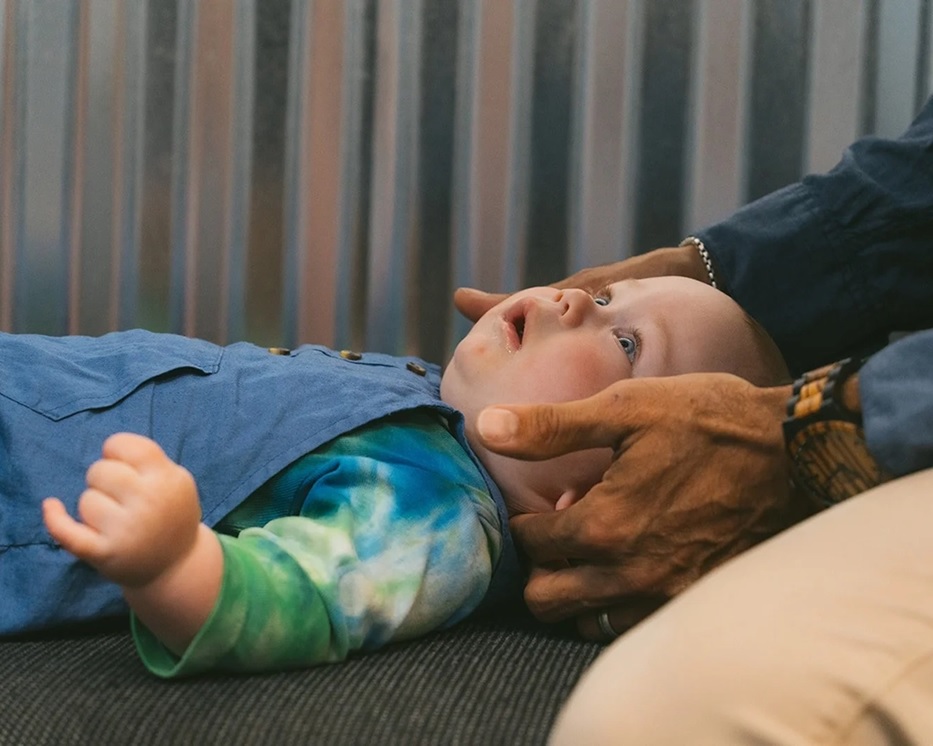
Children’s bodies are constantly changing as they grow, learn new movements, participate in activities, and become more physically independent. From early childhood through the teenage years, those changes mean their healthcare needs are different from those of adults. Pediatric Chiropractic Care in Sarasota offers families an option for evaluating musculoskeletal concerns with an approach that considers a child’s age, development, activities, and individual needs.
Parents interested in learning about available chiropractic services can visit verticalchiroflorida.com for more information. Before beginning care, families should understand what a pediatric chiropractic visit involves, why techniques may differ from those used with adults, and how chiropractic care can fit alongside a child’s regular pediatric healthcare.
Children Shouldn’t Simply Receive Adult Care on a Smaller Scale
A child’s body isn’t just a smaller version of an adult’s body.
Bones, joints, muscles, and movement patterns continue developing throughout childhood. Physical abilities also change quickly as children move through different stages of growth.
These differences matter when evaluating musculoskeletal concerns.
A chiropractor working with children should consider factors such as age, developmental stage, physical activity, previous injuries, and the reason the family is seeking care. The approach used with a young child may therefore look different from care provided to a teenager or adult.
Individual evaluation helps determine whether chiropractic treatment is appropriate and what type of approach should be considered.
Start With a Conversation About Your Child
A pediatric chiropractic appointment should begin with information gathering.
Parents may be asked about the child’s health history, previous injuries, current symptoms, physical activities, and any concerns that prompted the visit. Depending on the child’s age, the child may also be encouraged to describe how they feel in their own words.
The physical evaluation may consider movement, mobility, posture, or other relevant musculoskeletal factors.
Parents should feel comfortable asking what is being evaluated and why.
They should also share information about existing medical conditions or ongoing treatment from pediatricians, physical therapists, or other healthcare professionals. A complete picture helps providers make more appropriate decisions about care.
Growing Bodies Experience Constant Changes
Children can sometimes appear to grow almost overnight.
As height, strength, coordination, and physical abilities change, children continually adapt to their bodies. These changes can become particularly noticeable during periods of rapid growth.
Movement patterns can also evolve as children begin participating in different activities.
A young child learning new physical skills has different demands from a teenager participating in organized sports several times a week.
This is one reason Pediatric Chiropractic Care in Sarasota should be individualized. Age alone doesn’t provide enough information to determine what a child needs. Development, activity level, symptoms, and overall health all provide important context.
School Routines Can Influence Daily Movement
School occupies a significant portion of many children’s days.
Students may spend extended periods sitting in classrooms before carrying backpacks, using computers, completing homework, and participating in extracurricular activities.
These routines can affect how much children move throughout the day.
Parents can encourage regular physical activity and provide opportunities for children to change positions after long periods of sitting. Backpack fit and weight can also be considered when children regularly carry books and school supplies.
If a child repeatedly complains of discomfort associated with school activities, parents should avoid automatically assuming posture is the only explanation.
Persistent symptoms deserve appropriate evaluation so other possible causes can be considered.
Young Athletes Have Different Physical Demands
Sports introduce another dimension to children’s musculoskeletal health.
Soccer, baseball, basketball, gymnastics, swimming, dance, martial arts, and other activities require different movements and place different demands on the body.
Training schedules can become particularly demanding as children grow older and begin participating more competitively.
Minor soreness after unfamiliar activity may resolve normally, but persistent pain, swelling, reduced movement, or difficulty participating should not simply be ignored.
Significant sports injuries should receive appropriate medical assessment. Chiropractic care should not be used as a substitute for emergency or orthopedic evaluation when a more serious injury is suspected.
The priority should always be identifying the problem before determining the appropriate type of care.
Techniques Should Be Appropriate for the Child
Parents considering chiropractic care often want to understand what treatment will actually involve.
The answer can vary according to the child’s age, size, condition, and reason for seeking care. Pediatric approaches should be adapted accordingly rather than automatically using the same techniques provided to adults.
Communication is especially important.
Parents should be told what technique is being recommended, what it involves, and why the provider believes it is appropriate. Older children should also have an opportunity to ask questions and express discomfort or concerns.
No treatment should feel mysterious to the family.
A provider should be willing to explain the plan clearly enough that parents can make an informed decision about their child’s care.
Encourage Healthy Movement Outside the Clinic
Children’s physical well-being is influenced by far more than what happens during an appointment.
Regular activity gives children opportunities to develop strength, coordination, and physical skills. The CDC recommends that children and adolescents ages 6 through 17 participate in 60 minutes or more of moderate-to-vigorous physical activity each day.
That activity doesn’t have to come entirely from organized sports.
Playing outdoors, cycling, walking, playground activities, and age-appropriate recreational exercise can all contribute to an active routine.
Sleep, nutrition, recovery, and opportunities to rest after demanding activities matter too.
A broader approach to wellness should support healthy everyday habits rather than treating clinical care as a replacement for them.
Pay Attention When a Child’s Behavior Changes
Children don’t always describe discomfort clearly.
Younger children in particular may communicate through changes in behavior instead of providing a detailed explanation of what hurts.
Parents might notice that a child suddenly avoids a favorite activity, moves differently, complains when performing a specific motion, or becomes reluctant to participate in sports.
These changes don’t automatically indicate a musculoskeletal problem, but they can be worth investigating when they persist.
With Pediatric Chiropractic Care in Sarasota, the child’s symptoms should be evaluated in context rather than assuming a particular treatment is necessary based on one observation.
When the cause isn’t appropriate for chiropractic management, referral to another healthcare professional may be needed.
Chiropractic Care Should Complement Pediatric Healthcare
Chiropractic care shouldn’t replace a child’s pediatrician or other necessary medical services.
Children still need routine pediatric care, vaccinations as recommended by their healthcare team, developmental monitoring, and appropriate medical evaluation when illness or injury occurs.
Communication between providers can be particularly useful when a child has an existing medical condition or is already receiving treatment elsewhere.
Parents should tell the chiropractor about relevant diagnoses and current care. Likewise, they can discuss chiropractic treatment with their child’s pediatrician when appropriate.
The objective is coordinated healthcare centered on the child’s needs rather than treating different services as competing approaches.
Parents Should Feel Comfortable Asking Questions
Parents have every right to understand treatment before agreeing to it.
Useful questions include what the evaluation identified, whether chiropractic treatment is appropriate, what techniques will be used, and how progress will be monitored.
Parents can also ask how many visits are initially recommended and what would cause the treatment plan to change.
Clear goals matter.
If care is being provided for a particular musculoskeletal concern, families should understand what improvement would look like and when the situation should be reevaluated.
Open communication helps parents participate actively in decisions instead of simply following an indefinite treatment schedule.
Keep the Child at the Center of the Care Plan
Children’s healthcare should reflect their developmental stage, individual needs, and overall well-being. Chiropractic treatment may be considered for certain musculoskeletal concerns, but it should begin with appropriate evaluation, clear communication, and realistic goals. Pediatric Chiropractic Care in Sarasota should also recognize that movement, sports, school routines, medical history, and ongoing growth can all influence what an individual child needs.
Families interested in exploring pediatric chiropractic options can consult Vertical Chiropractic Sarasota to discuss their child’s concerns and determine whether chiropractic care may be appropriate. A child-centered approach keeps parents informed while making sure recommendations are based on the individual child rather than applying the same treatment plan to every young patient.