close

Mahir Garth

Health

Things to Look for in a Nutritionist

When choosing a nutritionist, there are a few things to remember. First, finding someone certified by a recognized governing body is essential. A registered dietitian (RD) holds this certification and can provide health advice to people of all ages. A nutritionist will help you develop a personalized eating plan suited to your goals.

RD

RDs are trained in nutrition and food science, which allows them to work with people and families in many different situations. They typically work in hospital settings, government positions, or community health departments, but they may also work independently. In addition, they may specialize in a particular area of nutrition, such as sports or renal food. A person seeking a career as a nutritionist should consider the following factors.

If you find a registered nutritionist, you must first check whether the nutritionist you’re considering has a certification. Some states regulate the term “nutritionist,” but anyone can call themselves one in other states. Regardless of your certificate, you’ll want a nutritionist with at least a master’s degree and some additional training. The right nutritionist can help you meet your health goals using evidence-based nutritional advice and personalized strategies. Actual change takes time and patience, but the result will be a healthier you in the long run. Avoid quick fixes that will only cause short-term health problems. Many people who try quick fixes return to unhealthy habits after a few weeks. Make sure to have a list of questions ready when you meet with your nutritionist.

Specialization options

If you’ve decided to pursue a career as a nutritionist, there are several specialty areas to consider. A nutritionist is a healthcare professional who studies the science of nutrients and how they affect health. They also examine social and cultural issues that affect nutrition. Typically, a nutritionist’s degree will include coursework on food science, food production, physiology, and psychosocial issues. A nutritionist may specialize in a particular area by taking additional coursework and earning other qualifications. A bachelor’s degree in nutrition offers the most educational foundation for a competitive career. The curriculum for a bachelor’s degree includes more science-oriented subjects and more insight into the health needs of particular populations. Additionally, about a third of states require a bachelor’s degree to work as a nutritionist. A master’s degree is also necessary to specialize in a particular field. For example, as a nutritionist, you can become board-certified or earn a doctorate in nutrition. Certification proves to employers that you are dedicated to the area.

Education requirements

A career as a nutritionist requires a thorough understanding of the science of nutrition and food production. In addition, you must have excellent communication skills and a good knowledge of how the human body uses nutrients. This occupation requires a bachelor’s degree, supervised clinical experience, and licensing. In addition, many employers prefer candidates who have an RDN certification. Nutritionists are often called on to educate the public on proper nutrition. To do this, they must have excellent communication skills and problem-solving aptitude. They should also be able to combine the latest scientific information with persuasion to get people to listen to their messages. Lastly, nutritionists must continuously develop their skills and learn new ones. This way, they can keep up with new developments in the field. While associate and bachelor’s degree programs can help you start this career, a doctoral degree program will allow you to move on to the next level. The degree level you choose depends on your goals. For instance, you can opt to become a Certified Nutrition Specialist (CNS), which requires an advanced degree, 1,000 hours of fieldwork, and passing an examination.

read more
News

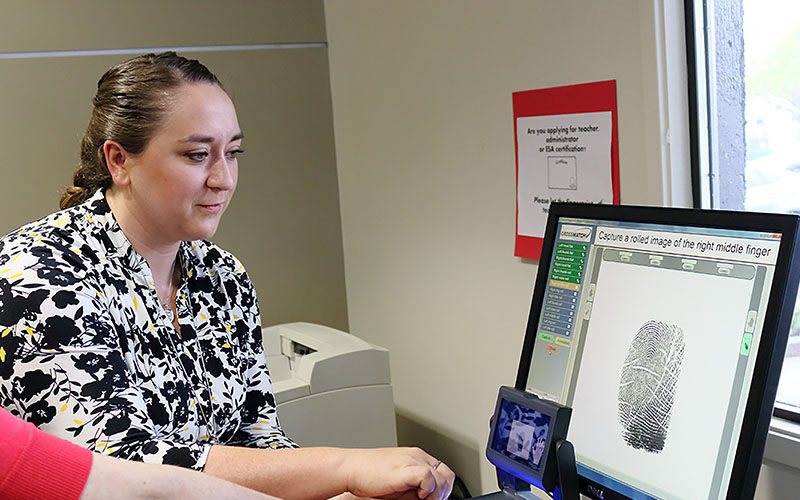
Fingerprinting Services and What You Need to Know [Complete Guide]

Fingerprinting is the process of recording and storing patterns of friction ridges on the fingers and palms. Fingerprints are a form of biometric identification.

The fingerprinting service is used to identify people by analyzing their fingerprints. Fingerprints are collected in various ways, but most commonly, they are ordered with ink on paper or inkless on an electronic device such as a tablet or computer screen. The person providing the fingerprint is then asked to roll their fingers over an ink pad, creating a pattern in their fingerprint that can be analyzed for identification purposes.

Fingerprinting services are often required for jobs, schools, and other situations where you must prove your identity.

Fingerprinting is a process by which a person’s fingerprints are collected and analyzed. This process is used to identify people and verify their identity. Fingerprints can be co-managed in many ways, including ink-based fingerprinting or scanning the person’s finger with a fingerprint reader.

Ink-based fingerprinting involves using ink to create an impression of the pattern of ridges on the person’s fingertip. The ink is then rolled onto paper, which makes a negative image of the way of ridges on that finger. The report can then be examined for an exact match with other prints created from that same finger.

How Do You Collect a Fingerprint?

A fingerprint is a unique identifying pattern that forms when the skin pores of the fingers and hands are pressed into a surface. The way can be used to identify individuals, for example, in criminal investigations.

To collect fingerprints, you need to use ink on paper. Collecting fingerprints from surfaces like paper, glass, or metal are many ways. You can use:

  • A black powder called fingerprinting powder
  • A brush with a skinny tip
  • Dry dusting powder
  • Wet dusting powder
  • A device that looks like a small brush with tapered bristles

The fingerprint is one of the essential pieces of information regarding identifying someone.

The benefits of fingerprinting are that it is fast, easy, and accurate.

Fingerprinting can be done at various locations, such as police stations, schools, or government buildings.

What Do You Need and How Much Does it Cost?

Fingerprinting is a process that can be done to get an individual’s fingerprints. It is a procedure that law enforcement agencies and employers often do.

The benefits of fingerprinting are numerous. It helps in the identification of individuals and can be used in the prevention of crimes. Additionally, it plays a big part in the hiring process as employers use it to verify the identity of job applicants.

Fingerprinting can cost anywhere from $10 to $100, depending on where you go and what you need to do.

Fingerprinting is a process that takes an impression of the unique pattern of ridges on the end of a person’s finger.

The fingerprint is then digitally scanned and stored in a database.

There are two ways to get fingerprints done:

  1. You can go to your local law enforcement agency and have them do it for you.
  2. You can hire private companies to visit your location and do it for you. The cost ranges from $30 to $150, depending on how many fingerprints you want and where you want them done.

What Is The Reason For Fingerprinting A Person? How Can It Be Done?

For forensic purposes, fingerprints are often collected as evidence of a crime. The most common fingerprint technique is ink and paper to create a latent print on the skin’s surface. Latent images are not visible to the naked eye but can be detected using chemicals or other techniques.

In criminal investigations, fingerprints may identify suspects and victims by matching them against collected records. Fingerprints can also be used to check an individual’s identity at border crossings or airports, where they are required for security purposes.

A fingerprint is one of the most reliable and definitive forms of identification. Fingerprints are left on many surfaces and cannot be easily removed, so they can be used to establish that a person has been somewhere.

Fingerprints are collected in various scenarios, such as criminal investigations or border control. It can also be done to identify a person who needs urgent medical attention but cannot remember their name or other identifying features.

Fingerprints are collected at crime scenes, on items found at the location, or taken from suspects when they are in custody. Each case is unique depending on the reason for collecting fingerprints.

History of Fingerprinting Services and How They can be Used to Gain Access to Your Personal Data

Fingerprinting is one of the oldest biometric identifiers, and it is the most popular as well. It is a very accurate way to identify people.

Fingerprinting services are not a new thing. They have been around for more than 100 years and have gone through many different iterations in terms of quality, accuracy, and speed.

The first time we saw fingerprinting as an identification system was in 1892 when Sir William James Herschel tried to use it on criminals imprisoned in India.

In 1901, Dr. Henry Faulds published his work on using fingerprints for identification purposes which led to the creation of the first fingerprint bureau in Japan.

In 1903, Edward Henry established Scotland Yard’s Fingerprint Bureau, which was then followed by the creation of other similar b

Biometric security solutions have been used for a long time in the military and government agencies. These solutions have now expanded to the public sector, which is being used to access personal data, such as banking information and social media accounts.

Fingerprinting services are one of the most popular biometrics used today. They are also the oldest and most reliable biometric technology available today. Fingerprints were first used in law enforcement in 1892 when Sir Francis Galton introduced them. Fingerprints are now used as a means of identification by many nations and organizations worldwide, including Interpol.

The fingerprinting service industry has been around since 1892, but only recently has it expanded into the public sector to provide access to personal data such as banking information.

Top 5 Things Every Parent Should Know about the History of Fingerprinting Services

Fingerprints are one of the most reliable forms of identification. They can be used to identify people in criminal cases, security, or other purposes.

  1. Fingerprints have been used as a means of identifying criminals since the 1880s
  2. Fingerprints are made up of a series of ridges and valleys that form loops and swirls.
  3. The fingerprint is made when sweat and oil from your skin mix with the natural salts on your fingers.
  4. The more pressure you put on an object, the better chance you have of leaving fingerprints behind
  5. The first known instance where fingerprints were used as a form of identification was in 1858

Read More About: Guide to Find Fingerprinting Locations Near You in the USA

How to Protect Yourself from a Breached System with the Help of Fingerprint Technology

Fingerprint scanners are becoming more and more popular in the workplace. They are used for many different purposes, such as identity protection software, unlocking devices, and logging into accounts. Fingerprint scanners are also being used in security systems to protect from breaches.

Fingerprint scanning is often used in smartphones to unlock the device, and it could also be used as a safety measure when dealing with sensitive information.

Fingerprint scanners are convenient because they provide quick and accurate authentication of a person. They can also be used to lock computers to prevent others from accessing your data or software.

A Brief History of How Finger Prints Developed and Became an Important Part of Law Enforcement Processes Today

Fingerprints are one of the earliest forms of identification. Law enforcement first used them in the late 1800s, which is considered a reliable way to identify criminals.

Fingerprints have been around for centuries, but they weren’t used by law enforcement until the late 1800s. They are one of the earliest forms of identification, and they are considered to be a very reliable form. Fingerprints were first used in FBI background check cases, but today they can be found in many other places. For example, some countries require fingerprints for airport TSA screenings and driver’s licenses.

read more
Home

Tips For Creating A Cozy She Shed

Congratulations! You’ve added a she shed to your backyard, built a craft room addition above your garage, or turned an extra bedroom into a cozy reading room. No matter where your sanctuary is, now is your opportunity to decorate the comfy space especially for you. Here are some ideas to get creativity flowing.

Decide on a decor theme: Maybe your home yoga studio will have a boho flair, complete with a rattan sofa, Moroccan ottomans on the floor, or a macramé hammock suspended from the ceiling. Or perhaps you want to give a Hollywood glam vibe to your walk-in closet by including a tufted sofa with hobnail trim. Whatever suits your tastes.

Incorporate versatile, dimmable and smart lighting: Your private room might have several purposes. If that’s the case, include versatile lighting. You will want over-the-shoulder lighting for reading, task lighting for crafts, and soft, glowing light strings for long winter naps. Look for floor lamps with dimmer switches and attached reading lights. If you want to go high tech, investigate voice-activated smart lights, for when your hands are full. There are even smart light bulbs that change colors.

Use “hide-away” furniture: If your book nook still needs to double as a guest room, free space by incorporating convertible furniture, such as a sleeper sofa or a pull-down Murphy bed.

Wrap up: Keep a cozy electric blanket or warm afghan handy for chilly days. 

Make room for your BFFs (best furry friends): Cats and dogs appreciate good naps, too. Be sure they have separate comfy, color-coordinated beds and pillows to snooze upon, while they keep you company. 

Bloom where you are planted: Plants are good for your body and mind. Having plants in your space can lower blood pressure, increase attentiveness and raise productivity, which makes them well-suited for home offices. The aromas of plants can benefit your physical and mental health. For example, the scent of eucalyptus may help relieve cold symptoms, and the scent of lavender is said to be calming. If you’re a foodie, stock potted herbs to use in your cooking, such as rosemary, basil and thyme.

Store important beverage and snack equipment: Include a coffee maker, electric tea kettle and mini fridge. (Pro tip: This is where to keep your favorite ice cream that you don’t want your kids to find.) 

Make it personal: 

  • Gather your vacation photos and group them into shadow boxes with souvenirs from your trips.
  • Frame your kids’ early masterpieces and hang them on the walls.
  • If you still have your old record collection, display favorite album covers.
  • Unpack all your boxes and plastic totes that are stored in the garage to uncover forgotten treasures.

Now that you have your cozy space, create the look you’ve always wanted. See the accompanying resource created by the experts in online furniture shopping.

Infographic provided by Sofas & Sectionals, experts on sectional couches for sale
read more
Home

Tips For Moving House With A Newborn In Tow

Moving to a new home can be demanding, though not quite as much as a newborn. When faced with the prospect of handling both tasks simultaneously, parents might be stressed, to say the least. Not to worry: Despite the heavy load, there are ways to make the upcoming move a success. Below are a few words of advice on juggling moving boxes in one hand and a baby in the other.

First, it’s essential to go over the move with the baby’s pediatrician. Because a newborn doesn’t have a developed immune system, it’s important to make sure travel will be safe beforehand. Whether with precautions specific to the child or just general recommendations, these experts can get parents going on the right path.

It’s also a perfect opportunity to gather any necessary documentation to take to a new doctor or ask for a referral. Having healthcare and childcare providers lined up in advance can make the transition easier, especially as they may have waiting lists.

One of the top suggestions from parents who have handled a relocation with an infant is to stay on routine as much as possible. By following the same established patterns day-to-day, the baby may adjust to the new home sooner, and moving day itself may not be so problematic. Accomplishing this can be done several ways, but a tried-and-true tip is to save the baby’s room for last in terms of packing.

While decorations can be wrapped up and ready to go, it’s advised to pack diapers, wipes, a few outfits, toiletries and formula last. Likewise, these supplies should be kept readily available during the move and unpacked first on arrival at the new place. If it’s a long move, pack a box with everything needed for the first night and keep it separated from the rest. The goal of this is to prevent unpacking a bunch of boxes out of order or making a late-night run to the store for lost items.

Another recommendation is to hire a moving company to take on some of the heavy lifting. Finding a reliable company to not only haul the big items but to unload boxes and even unpack them can make all the difference. What’s more, this allows parents to focus on the baby while calmly delegating tasks and avoiding any moving-related injuries.

Lastly, parents should keep in mind that there could be a few hiccups along this journey. The key is to prepare ahead of time, take deep breaths and avoid stressors when possible. For additional pointers on moving with a newborn, please see the accompanying resource.

Infographic provided by On Call Moving Company
read more
News

How To Safely Book Online Travel

With travel opening back up, there’s a rush to get out and go somewhere! Traveling allows you to experience other cultures and helps break up your routine-based lifestyle. But you must be careful when booking online travel because there are scams and traps. Knowing the dangers of cyber fraud can prevent a headache down the road. This is precisely why we made a guide on booking your online travel safely.

If you are an inexperienced traveler or want some extra security for a family vacation, be aware of common traps that could end up costing you. You’ll improve your chances of staying safe by reading the following infographic.


  How To Safely Book Online Travel from ThinkReservations, a Hotel Property Management System

read more
News

How Your Shopping Choices Affect the Environment

The decisions you make at the grocery store have a direct impact on the environment. Consumers can make a difference and reduce the environmental impact of the food they consume with their shopping choices. We have a lot of power, and our decisions can help lessen the impact on our natural world.

Until relatively recently, most of the earth was wilderness, including grasslands, forests and deserts. Over the last few hundred years, however, as people have turned to agriculture to grow the food necessary to support human life, wild habitats have been replaced by farmland. About 1,000 years ago, less than 5% of land that isn’t desert or ice (considered habitable land) was used for agriculture. Now, farmland takes up more than half of that available land. Pastures and farms that grow animal feed account for more than three quarters of all agricultural land, even though they produce less than 20% of the total calories consumed by people. Eating less meat and using plant-based alternatives could help reduce the number of livestock required to feed people throughout the world and lessen the impact on the environment.

Here’s a closer look at this issue:

The Impact of Groceries from Green Rabbit, a cold chain logistics service

read more
Family

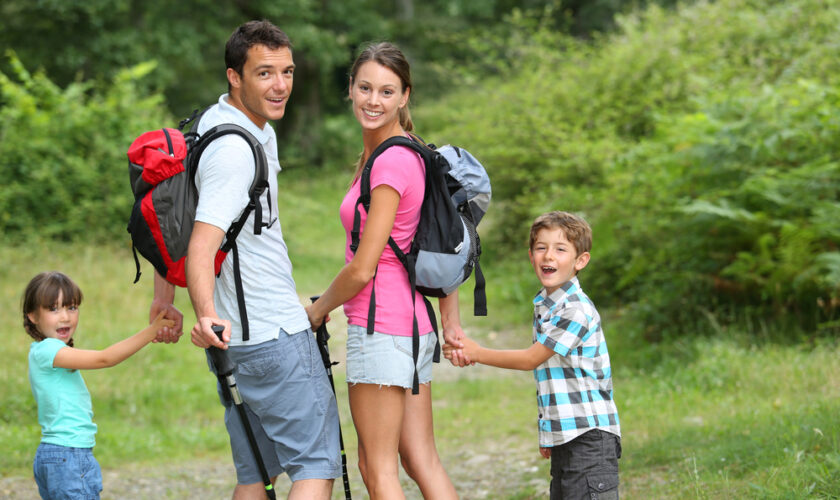
7 Ways to Hike With Your Family and Friends: Fun Outdoors Activities

There’s nothing quite like a hike in the great outdoors to get your blood pumping and your spirits soaring. Whether you’re looking for an easy nature walk or a challenging backcountry trek, there’s a perfect hike out there for everyone. In this blog post, we’ll explore six fun ways to hike with your family and friends. So grab your hiking boots and water bottles, and let’s get started!

Tips To Begin Hiking With Your Loved And Dear Ones

Hiking is a great way to get outdoors and enjoy nature with your family and friends. It can be a fun, bonding experience for all involved. Here are six ways you can start hiking with your loved ones:

  1. Pick an easy trail: When you’re first starting out, it’s important to pick a  family hike {randonnée familiale} trail that is not too difficult. This will ensure that everyone enjoys the hike and that no one gets discouraged or overwhelmed.
  2. Start small: Don’t try to tackle a massive hike on your first go. Start small and work your way up to longer, more challenging hikes. This will help everyone ease into hiking and build up their confidence.
  3. Bring snacks: No matter how short the hike is, it’s always a good idea to bring snacks. This will help keep everyone’s energy up and ward off any hunger pangs.
  4. Pack plenty of water: It’s also important to stay hydrated, especially if you’re hiking in warmer weather. Pack enough water for everyone to drink throughout the hike.
  5. Dress appropriately: Make sure everyone is dressed properly for the hike. This means comfortable shoes, layers (if it’s cold), and hats/sunglasses (if it’s sunny).
  6. Take breaks: If anyone starts to get tired, take a break! This is supposed to be fun, so there’s no need to push anyone beyond their limits.
  7. Take plenty of pictures: Don’t forget to document your hike with plenty of photos. This will be a great way to look back on the experience and remember all the fun you had.

Conclusion

Hiking is a great way to spend time with your family and friends while getting some exercise. It’s crucial to pick the right trail for your ability level and to be prepared with the proper gear. By following these tips, you can make sure that everyone has a safe and enjoyable hike. So get out there and explore the great outdoors! Do you have any additional suggestions for hiking with children or first-time hikers? Please leave a remark below with your ideas.

read more
Family

How to punish an abusive spouse?

Abuse or domestic violence is a punishable offense. Abuse can take any form, like physical, emotional, and mental abuse. Violence in any form is wrong and a crime. If you are in an abusive relationship, do not keep quiet and endure the pain. You must find ways to get out of the relationship for your mental and physical well-being. If you have children, then raising them in an abusive environment will be detrimental for them as they will grow up thinking it is normal, and the cycle will continue. If you are in need of help a Sandy domestic violence lawyer will help you.

Call law enforcement agency: Call the police or county sheriff for help. When the police arrive at the scene, show them all the evidence like broken items, torn clothing, bruises on the body, etc. Take the name and number of the police officer so that they can act as a witness in your domestic abuse case. The police will take pictures of your injuries and bruises and conduct an investigation. The police immediately arrest the abuser if there is strong evidence against him/her. 

Press charges against the abuser: If you suffer from abuse and agree to remain silent, the abuser will be encouraged to think that they can hurt you and get away with it. If suffering from abuse, press criminal charges and use your civil remedies to punish the abuser. If you do not press charges against the abuser soon, then the police will not be able to protect you in the future. 

Go to the prosecuting authority: If you are planning to file a criminal case against your abuser, then you can take the help of a law enforcement agency to meet the prosecutor. The prosecutor will evaluate the police report and gather the necessary evidence to prove the defendant guilty when the case goes to trial. 

Consult a lawyer: In case of domestic abuse, hire a lawyer immediately. A lawyer will ensure all your rights are protected and you get a fair trial. They will carry out investigations to ensure all the evidence is gathered so that when the case goes to court, the abuser will get jail time and penalties. 

Ending note 

Abuse normally starts as a misdemeanor and, in the future, leads to battery or felony. If it is a misdemeanor, the abuser will face jail for up to one year. If it is a felony, the punishment can be for a year or more, depending on the severity of the incident. Do not sit back and endure abuse. 

read more
Home

Everything You Need To Know About Refugees

The United Nations estimates that 65.2 million people have been forcibly displaced by war and persecution worldwide. This crisis affects the lives of millions of people and millions of people around the world. It’s important to be familiar with the refugees and refugees’ plight.

The plight of refugees has been a sore spot in the United States in recent years. There has been much debate about the number of refugees the U.S. should admit every year. However, what isn’t discussed as much is who these refugees are—and how many of them there are.

Who is a Refugee?

The refugee system was created to protect the most vulnerable people on Earth. The word “refugee” comes from the Greek REFUGE, meaning fleeing or seeking protection. Refugees are people who, because of war, persecution, or natural disaster, are unable or unwilling to return to their home countries or habitual residence. The USA Ukrainian refugees are the perfect example. Many women and children are forced to flee their homes to escape war, violence, and persecution.

The difference between refugees and a migrant is not always clear, and immigration policy officials regularly confuse the two. A refugee has been forced to flee their country because of persecution based on race, religion, nationality, political views, or membership in a particular social group. A migrant, on the other hand, is someone who migrates either for economic or social reasons but does not necessarily seek refuge. In the U.S., refugees are protected under American law through the U.S. Refugee Act of 1980. However, migrants are not.

Last year, the U.S. accepted 84,491 refugees worldwide, and that trend shows no sign of slowing down. As the world gets smaller, more people are displaced from their homes—and those people are finding safety in the United States. But how are people categorized when they first come into the country? Is every person a refugee, or is someone just a voluntary entrant?

Types of Refugees

As mentioned above, a refugee is a person who has been forced to leave their own country to escape war, persecution, or natural disaster. Their reasons for leaving their home country can also vary, but the most common is because their home country’s government is threatening their lives or they are afraid of being attacked or tortured.

Here are the different types of refugees.

Asylum Seeker

An asylum seeker is a term for a person who has fled their own country and is seeking asylum in another country. These people hope their new country will provide them with the protection and shelter they did not receive in their own country.

An asylum seeker is closely similar to a refugee, a person who has fled their own country and been officially recognized as a refugee by a country. The refugee is given legal status and protection within the country they have fled to and are no longer an asylum seeker.

Normally, the process of obtaining asylum in the United States is a long and hard one. The application process alone can take more than one year, and those who are denied asylum are not eligible for appeal and must leave the country where they sought protection.

Asylum seekers spend most of their asylum application process in the U.S. without work authorization, and many live in poverty during this time. Asylum seekers are also not eligible for government assistance and have no health insurance. As a result, many live in poor conditions in refugee camps or rely on the support of family and friends.

Internally Displaced Person

A U.N. report estimates that more than 42 million people are displaced from their homes because of armed conflict, persecution, or natural disaster. United Nations agencies use the term “internally displaced person,” or IDP, to refer to civilians who have been forced to abandon their homes but have not crossed an international border.

These individuals seek safety anywhere they can find it—in nearby towns, schools, settlements, internal camps, even forests, and fields. In 2016, there were more than 40 million IDPs worldwide. For these individuals, the ability to return home is a distant dream.

Stateless Person

A stateless person is not officially recognized as a citizen by any country; such a person does not have a nationality. Stateless people are not necessarily without citizenship. Some countries apply the term “stateless” to people who are “under the protection of” that country but do not possess its citizenship.

Statelessness has today been affected by the ‘war and terror’: many people have been deprived of nationality for security reasons. Today, many USA Ukrainian refugees are left in legal limbo, unable to obtain a passport or other official documents from any State.

 The stateless population is estimated to be 11 million people, according to the UNHCR, but the true extent of statelessness is much higher than that. That’s because fewer than half of all countries worldwide report on statelessness. Some of the most populous countries in the world with large suspected stateless populations don’t report on statelessness at all.

Returnees

Refugees who have returned to their home country are called returnees. They are people who have been forced to flee their homes due to persecution, war or natural disasters.

 The term returnee is used by different organizations to describe those who have returned, are returning, or are planning to return to their countries of origin.

By country of origin, we mean the country of last or former habitual residence of the person.

Returnees – and returns – are different from forced returnees. These refugees and IDPs have been forced to return against their will.

This confusion stems from using the term” return” in the context of voluntary and involuntary return (also known as forced return) and the difference between returnees and returns.

Conclusion

Refugees face many obstacles in their home countries, often given little to no protection. Refugees often face discrimination, harassment, and violence. They can also face deportation or persecution.

Though refugees face these obstacles, they are more than this. Refugees are people who have survived their ordeals and deserve the right to live their lives freely and with dignity.

read more
Home

DIY Project: Relax Bottles

There are a lot people going through hard and frustrating times. You can help them channel and release their frustration by making Relax Bottles: water bottles decorated and filled with glitter. Watching the glitter settle after shaking the bottle can be relaxing. Check out the instructions below from Points of Light. 

What You Need:

  • Clear plastic water bottles. (We recommend sturdier bottles)
  • Clear Elmer’s Glue
  • Hot water
  • A mixing bowl (preferably one with a pouring spout to easily put it in the jar or use a funnel with the bowl)
  • A whisk
  • Food coloring
  • Glitter
  • Super glue 

Steps:

  1. Buy the appropriate amount of glitter, food coloring, glue, and hot water. This depends on the size of the water bottles you are using, as well as the number of bottles you’re making.
  2. To make the Relax Bottles:
    1. Pour Elmer’s clear glue and hot water into a mixing bowl, along with food coloring (add drop by drop until desired color is reached) and glitter.
    2. Mix with the whisk and pour right away into the water bottle.
    3. Clean the residual glitter out with a paper towel before rinsing and cleaning out the bowl.
    4. Shake the bottle to make sure the lid is secure. The glitter will settle at the bottom after 5 minutes roughly. Increase or decrease the wait time by adding water or glue.
    5. Repeat until all the bottles are made.
    6. Let the bottles cool with the lids removed (and out of reach of any children or pets).
    7. Once cool, secure the lid with superglue and let the glue dry.
  3. Clean up!
  4. Present the Relax Bottles to others in your home. 

Reflection Questions:

  • How did this project help you or others in your home?
  • Do you feel you made a difference?
  • How else can you help others in your home relax?
read more
1 7 8 9 10 11 21
Page 9 of 21