close

Mahir Garth

Family

Fun Activities You Can Do With Your Wife

Spending quality time with your wife is not only enjoyable but also essential for nurturing your relationship and creating lasting memories together. Engaging in activities that you both enjoy can strengthen your bond, foster communication, and deepen your connection. Whether you’re looking for new ideas or simply want to add playing ca.crazyvegas.com to your shared experiences, there are numerous activities you can do with your wife that cater to different interests and preferences.

The activities are lined up as follows:

  1. Explore the Outdoors:

Embrace the beauty of nature by planning outdoor activities with your wife. Go for a hike in a scenic location, pack a picnic and spend a day at the beach, or take a leisurely bike ride through a local park. You can also try more adventurous activities like rock climbing, kayaking, or camping if you both enjoy a thrill. Exploring the outdoors together allows you to disconnect from daily routines, enjoy fresh air, and create shared memories in beautiful surroundings.

  1. Cook and Dine Together:

Cooking and sharing a meal can be a delightful way to spend time with your wife. Plan a cooking session where you both prepare a special dish or try out a new recipe together. Make it even more enjoyable by pouring a glass of wine, playing your favourite music, and engaging in lighthearted conversation as you cook. Once the meal is ready, set a romantic table and savour the fruits of your labour together. This activity allows you to bond over a shared passion for food and create a cosy, intimate atmosphere.

  1. Attend a Workshop or Class:

Sign up for a workshop or class that aligns with your interests as a couple. This could be a painting or pottery class, a dance lesson, a photography workshop, or even a cooking or mixology class. Learning something new together not only provides an opportunity for personal growth but also allows you to support and encourage each other. It can be a fun and enriching experience that deepens your connection and sparks creativity.

  1. Have a Game Night:

Unleash your competitive spirits and enjoy a game night with your wife. Choose board games, card games, https://www.casinosnz.io/online-pokies/ or puzzles that you both enjoy. Set aside dedicated time to play and immerse yourselves in friendly competition. Laugh, strategize, and engage in playful banter as you enjoy each other’s company. Game nights can be a lighthearted way to relax, bond, and create cherished memories.

  1. Plan a Romantic Getaway:

Surprise your wife with a romantic getaway to unwind and reconnect. Whether it’s a weekend retreat to a cosy cabin in the mountains, a beachside vacation, or a visit to a bustling city, a change of scenery can rejuvenate your relationship. Spend quality time exploring new places, indulging in couple’s activities, and basking in each other’s company without the distractions of daily life. A romantic getaway allows you to create lasting memories and strengthen your bond in a relaxed and romantic setting.

Summary

Remember that the most important aspect of any activity is the quality time you spend together and the effort you put into making it enjoyable for both of you. Consider your wife’s interests, preferences, and desires when planning activities, and be open to trying new things. The key is to prioritize shared experiences that foster connection, communication, and laughter, ultimately creating a stronger and more fulfilling relationship.

read more
News

Vacation Idea For A Family In Christmas

The holiday season is a special time for families to come together and create lasting memories playing king johnnie australia. If you’re looking for a unique and memorable vacation idea for your family during Christmas, numerous options can add a touch of magic to your holiday celebrations. Whether you prefer a winter wonderland, a sunny beach getaway, or a cultural adventure, planning a family vacation during Christmas can create cherished experiences for everyone.

One popular vacation idea for families during Christmas is to embrace the enchantment of a winter wonderland destination. Imagine waking up to a snowy landscape, building snowmen, and engaging in exciting winter activities. Destinations such as Lapland in Finland or the Swiss Alps offer breathtaking scenery and a host of winter-themed experiences. You can visit Santa Claus’ village, embark on a reindeer safari, go ice skating, or even witness the mesmerizing Northern Lights. These destinations provide an immersive winter experience that will leave your family with unforgettable memories.

If you’re looking to escape the cold and enjoy a sunny Christmas, consider a beach vacation. Many tropical destinations, such as the Caribbean, Hawaii, or Southeast Asia, offer idyllic beach resorts that cater specifically to families. Spend your days building sandcastles, snorkelling in crystal-clear waters, and enjoying water sports. Some resorts even organize special Christmas-themed activities, such as beachside bonfires, carolling, and visits from Santa Claus. A beach vacation can provide a relaxing and rejuvenating experience for the whole family while celebrating the holiday season in a unique setting.

For families interested in cultural experiences, exploring historic cities and attending festive events during Christmas can be a captivating option. Cities like New York, London, or Prague come alive with dazzling holiday decorations, festive markets, and special performances. Take your family ice skating at Rockefeller Center, enjoy the magical lights of Oxford Street, stake on top SA casinos for South African players or visit the iconic Christmas markets in the Old Town Square. These cities offer a blend of traditional holiday celebrations, cultural attractions, and memorable experiences that will immerse your family in the spirit of the season.

Alternatively, consider a cruise during the Christmas holiday. Cruises offer a variety of family-friendly activities and entertainment options, all while allowing you to explore different destinations. Many cruise lines decorate their ships for the holiday season, organize special events, and provide entertainment suitable for all ages. From onboard ice skating rinks and water slides to festive shows and visits from Santa, a cruise can provide a hassle-free and festive vacation experience for the whole family.

read more
Home

How to Achieve Colour Harmony in Home Decoration?

Colour Coordination: Creating a Cohesive Palette for Your Home

Creating a beautiful, cohesive home interior design is not just about choosing stylish furniture or interesting accessories, it’s also about achieving colour harmony. Colour plays a crucial role in setting the mood and tone of a space, and when used thoughtfully, it can tie together different elements in a room to create a unified, pleasing aesthetic. Achieving color harmony may seem daunting, especially with the vast array of hues available. However, with a basic understanding of home colour ideas and a few practical home décor ideas, anyone can create an inviting, visually balanced home.

This guide will take you through the key steps of achieving color harmony in home decoration, helping you to transform your living spaces into a harmonious haven that reflects your personal style.

Colour Combinations to Achieve Color Harmony

In the vast spectrum of colors, finding the perfect combinations that bring balance and harmony to your space can be a challenging task. However, with a foundational understanding of color theory, you can master the art of color coordination to achieve a visually pleasing ambiance.

  • Contrast of Complementary Colors

This strategy calls for the use of colors that sit directly opposite each other on the color wheel. When complementary colors are used together in a design, they create a striking contrast, resulting in a dynamic and vibrant aesthetic. The boldness of this scheme can add a sense of drama and excitement to your space. However, it’s important to balance these colors carefully to avoid visual chaos.

  • Combination of Harmonious Colors

Here, we explore the concept of analogous colors, which are colors that sit next to each other on the color wheel. These could be warm colors like red, orange, and yellow, or cool colors like blue, green, and purple. By using harmonious colors in your interior design, you can create a soothing and coordinated look. This color scheme is often found in nature and is very pleasing to the eye. It also allows for a lot of variation in shade and tone, giving you plenty of flexibility in your decor choices.

  • Serenity in Pastel

Pastel shades are essentially the softer versions of our primary and secondary colors. They’re less saturated, providing a muted, calming effect that’s perfect for creating a peaceful and tranquil environment. Pastels are extremely versatile and can work well with a variety of decor styles, from modern minimalist to rustic chic. They’re also great for small spaces, as they can make a room feel larger and brighter

Tips to Achieve Colour Harmony in Home Decoration

  • Understand the Color Wheel: The color wheel is an essential tool for understanding how different colors relate to each other. It’s divided into warm colors (reds, oranges, and yellows) and cool colors (blues, greens, and purples). Learning how to use complementary, analogous, and triadic color schemes from the color wheel can guide you in creating balanced and harmonious home colour ideas.
  • Start with a Base Color: Choose a base color that you love and build your color scheme around it. This could be a color that’s already prominent in your space, like the color of your floor or a large piece of furniture, or a color that you want to introduce as the dominant hue.
  • Consider the Mood You Want to Create: Different colors evoke different emotions. Warm colors tend to be energizing and uplifting, while cool colors can be calming and soothing. Think about the mood you want to create in each room and choose your colors accordingly.
  • Test Your Colors: Before committing, test your colors in the room you plan to use them in. Paint swatches on the wall or bring home fabric or wallpaper samples. Look at them at different times of the day and in different lighting conditions.
  • Experiment with Textures and Patterns: Color isn’t just about paint. You can introduce color through fabrics, furniture, rugs, and accessories. Using different textures and patterns can add depth and interest to your space.

Achieving color harmony in home decoration is a blend of science and art. It requires an understanding of the color wheel, careful selection of a base color, and strategic use of color ratios. But it also calls for personal intuition and creativity. The mood you want to create, your personal preferences, and the unique characteristics of your space all play a crucial role.

Neutrals, textures, and patterns provide additional layers of complexity and interest. Ultimately, the goal is to create a space that feels balanced, harmonious, and uniquely yours. With these tips and home décor ideas at your disposal, you’re well-equipped to navigate the colorful journey of home decoration.

read more
Health

Health Tips For The Winter Season

As the winter season approaches, it brings with it colder temperatures, shorter days, and potential health challenges. It’s important to prioritize staking on https://www.jokaroom.net/en/, self-care and make conscious efforts to stay healthy during this time of the year. From boosting your immune system to staying physically active, there are several steps you can take to ensure your well-being throughout the winter season. Here are some healthy tips to help you navigate the winter months.

Maintain a Balanced Diet:

A nutritious diet plays a crucial role in supporting your immune system and overall health. Focus on consuming a variety of fruits, vegetables, whole grains, lean proteins, and healthy fats. Incorporate immune-boosting foods such as citrus fruits, garlic, ginger, and yoghurt into your meals. Stay hydrated by drinking plenty of water and herbal teas. Limit your intake of processed foods, sugary snacks, and alcohol, as they can compromise your immune system and energy levels.

Boost Your Immune System:

Winter is a prime time for colds, flu, and other illnesses. Take proactive steps to strengthen your immune system. Ensure you’re getting enough sleep, as quality rest promotes immune function. Engage in regular physical activity, even if it’s indoors. Consider taking vitamin D and vitamin C supplements after consulting with a healthcare professional. Wash your hands frequently, avoid close contact with sick individuals, and practice good respiratory hygiene by covering your mouth and nose when coughing or sneezing.

Stay Active:

Although it may be tempting to hibernate indoors during the winter months, staying physically active is vital for your overall well-being. Engage in regular exercise to boost your mood, manage stress, and maintain a healthy weight. If outdoor activities are limited, explore indoor options such as home workouts, playing best casino bonuses online,  yoga, dancing, or joining a gym. Consider incorporating strength training, cardio exercises, and flexibility exercises into your routine to maintain a well-rounded fitness regimen.

Practice Self-Care:

Winter can sometimes bring feelings of low energy and seasonal affective disorder (SAD) due to reduced exposure to natural sunlight. Prioritize self-care activities to support your mental and emotional well-being. Find ways to relax and unwind, such as reading, practising meditation, taking warm baths, or engaging in hobbies you enjoy. Consider using light therapy devices that mimic natural sunlight to combat the symptoms of SAD. Stay socially connected with loved ones, even if it means utilizing virtual platforms for gatherings.

Protect Your Skin and Hydration:

Cold weather and indoor heating can lead to dry skin and dehydration. Protect your skin by using a moisturizer with SPF, even on cloudy days. Keep your body hydrated by drinking an adequate amount of water throughout the day. Consider using a humidifier in your home to combat dry indoor air and prevent moisture loss from your skin.

Summary

By following these healthy tips, you can promote your well-being and thrive during the winter season. Remember to listen to your body, adapt to the changing conditions, and seek professional medical advice if needed. With a mindful approach to self-care, you can make the most of the winter months and maintain a healthy and balanced lifestyle.

read more
News

Parenting Tips For People Who Play Casino Games

Parenting is a demanding and rewarding responsibility that requires careful attention and dedication. Simultaneously, some individuals enjoy playing online casinos as a form of entertainment and relaxation. Balancing these two aspects of life can pose challenges, as responsible gambling and effective parenting require mindful consideration. In this article, we will provide parenting tips for individuals who play casino games, offering guidance on maintaining a healthy balance between personal interests and the well-being of their children.

Prioritize Time Management:

One of the key aspects of responsible parenting and gambling is effective time management. Set clear boundaries and establish specific time slots for playing casino games. By doing so, you can allocate dedicated periods for your gaming activities while ensuring that you have ample time to focus on your parental responsibilities. Stick to the designated time limits, and avoid letting your gaming habits interfere with your quality time with your children.

Create Physical and Mental Boundaries:

Designating a separate space for playing casino games can help establish physical and mental boundaries between your gaming activities and your role as a parent. Create a specific area or room in your home dedicated to gaming. This separation of space allows you to compartmentalize your interests and minimize distractions, enabling you to be fully present when engaging with your children.

Lead by Example:

As a parent who enjoys playing casino games, it’s crucial to set a positive example for your children regarding responsible gambling behaviour. Avoid gambling in front of your children, as exposure to such activities at a young age may normalize or foster curiosity about gambling. Instead, demonstrate responsible behaviour by discussing the importance of moderation, understanding the odds, and emphasizing that gambling should only be done for entertainment purposes.

Communicate Openly:

Open and honest communication with your children is essential. Discuss the concept of gambling with age-appropriate language, emphasizing the potential risks and consequences associated with it. Encourage them to ask questions and provide accurate and balanced information. By fostering an environment of open dialogue, you can help shape their understanding of gambling and equip them with the knowledge to make informed decisions in the future.

Monitor Online Activities:

With the prevalence of online gambling, it’s important to monitor your children’s online activities to ensure they are not exposed to inappropriate content or encouraged to engage in gambling. Implement parental controls and utilize filtering software to restrict access to gambling websites. Regularly discuss internet safety with your children and educate them about responsible online behaviour.

Seek Support if Needed:

If you find it challenging to maintain a healthy balance between your gaming interests and parenting responsibilities, don’t hesitate to seek support. Reach out to friends, family members, or support groups who can offer guidance and understanding. Additionally, professional counselling or therapy can provide valuable insights and strategies for managing conflicting priorities.

Conclusion:

Parenting while enjoying https://www.australianonlinecasinosites.com/casino-bonuses/ is a balancing act that requires conscious effort and responsible decision-making. By setting time limits, creating physical and mental boundaries, leading by example, fostering open communication, monitoring online activities, and seeking support when needed, you can navigate the realms of parenting and gambling responsibly. Remember, being a present and involved parent is crucial, and ensuring your children’s well-being should always be a top priority.

read more
Family

Eco-Friendly Parking Tips

Has your family planned any travel in the coming months? If so, you may want to consider scouting out some parking now. For many families, one of the most difficult parts of traveling is determining the most optimal parking situation throughout the trip. The unfamiliarity of the area in which a family travels to may leave them confused when it’s time to park their car for the next stop of their adventure All of the time spent scouring for parking can throw your travel itinerary for a loop while simultaneously harming the family vehicles’ fuel economy. The good news is, with the right strategy, your family can save time and decrease your carbon footprint while traveling. It starts with the air conditioning and heating systems of the vehicle and extends all the way down to the speed you’re driving throughout the trip. If you weren’t aware, everything in between these elements can have an impact on your family’s vehicle and the environment. If you’re traveling during the summer months, or through warmer parts of the world, rather than blasting your air conditioning, open the windows slightly to circulate air. During those frigid winter months, rather than cranking the heat on each startup of your family’s vehicle, let it gradually build up while driving. Rather than being concerned with driving the fastest speed to decrease travel time, maintaining the posted speed limits have been shown to decrease carbon emissions as well as increase your vehicle’s mileage. Though these are small changes to make, they can add up to make a significant impact throughout your family’s travels. To learn more about the ways in which your family can make travel plans more environmentally friendly, please check out the resource accompanying this post.

Eco-Friendly Parking Tips provided by Westfalia Parking, an organization specializing in automatic car parking system
read more
Kids

The Benefits of Active Commuting for Students

Given that people are leading sedentary lifestyles these days, it has become increasingly crucial to encourage healthy habits in children. Active commuting, such as walking or cycling to school, not only offers a practical solution for transportation but also brings numerous benefits for students.

Health Benefits of Active Commuting

Physical Fitness and Cardiovascular Health

Active commuting provides students with a major benefit: it improves their physical fitness and cardiovascular health. Walking or cycling to school allows children to engage in regular exercise, contributing to their overall fitness level. Regular physical activity helps improve cardiovascular endurance, strengthen muscles, and maintain a healthy weight.

Active commuting is essential for decreasing the risk of obesity and related health concerns. With childhood obesity becoming a global concern, encouraging children to engage in active forms of transportation can be an effective preventive measure. Making regular physical activity a part of a child’s everyday schedule is essential for burning calories and upkeeping a healthy body mass index (BMI).

Mental Well-being and Cognitive Abilities

It has been proven that active commuting has positive impacts on mental health and cognitive function, and has physical advantages as well. We now know that physical activity encourages the release of endorphins (also known as “feel-good” hormones) and improving mental well-being. As a result, individuals will likely experience an uplift in mood, reduced stress levels, and an overall enhanced sense of health.

Furthermore, regular exercise such as active commuting offers cognitive benefits in addition to the physical ones. Engaging in physical activity before school ensures that students arrive feeling more alert and prepared for learning. By increasing blood flow to the brain, exercise promotes improved focus, concentration, and memory retention. Actively commuting students may therefore witness a boost in academic performance.

Environmental Benefits of Active Commuting

Active commuting has positive impacts on both the health of students and the environment.

Reducing Carbon Footprint and Air Pollution

Carbon emissions and air pollution are considerably impacted by motorized transportation. Encouraging active commuting means we can reduce the number of vehicles on the road, subsequently decreasing carbon emissions and air pollution levels.

Encouraging Sustainable Habits for Future Generations

Promoting active commuting means we instill in students a sense of responsibility towards the environment. It raises awareness about the impact of transportation choices on the planet and fosters sustainable habits from an early age.

Choosing the Right Bike for Active Commuting

When it comes to active commuting, the experts at Woom say that lightweight bikes are a fantastic choice for students.

Lightweight bikes offer several advantages in terms of maneuverability and control. As they are lighter, they are a lot easier to handle, which is particularly beneficial for younger riders. Kids bikes, specifically designed with lightweight materials and appropriate frame sizes, ensure a comfortable and enjoyable commuting experience.

Addressing Concerns about Safety

Safety is often a primary concern for parents and guardians when considering active commuting for their children. To alleviate these concerns, education on road safety rules and precautions is crucial. Schools can collaborate with local authorities to identify safe routes, implement traffic calming measures, and ensure adequate signage. Providing the necessary tools and knowledge helps to create a safer environment for active commuting.

Conclusion

Active commuting, such as walking or cycling to school, offers many benefits for students. The health advantages are substantial as it helps to improve physical fitness, cardiovascular health, and contributes to preventing obesity and other related health concerns. Active commuting also has a positive impact on mental wellbeing. This includes uplifted mood, reduced stress levels, and enhanced cognitive abilities. This all leads to improved academic performance.

read more
Home

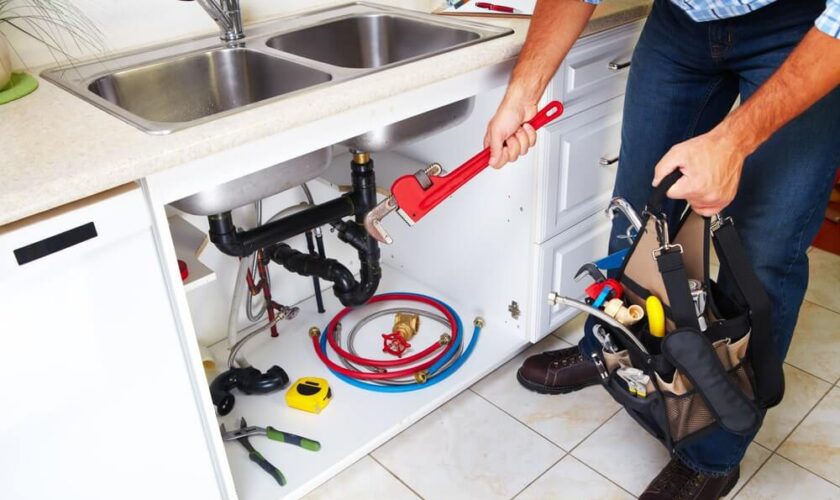
Kitchen Plumbing Points Checklist

Creating a kitchen that is both functional and aesthetically pleasing can be tricky. To help you plan the perfect kitchen design, it’s important to make sure all of your plumbing points are considered. You can consider creating a kitchen plumbing checklist to help ensure that all of the necessary elements for a well-functioning kitchen are in place.

First of all, you’ll want to consider the kitchen work triangle and how all of the appliances will be positioned in relation to one another. Once the layout is planned out properly, you can then move on to selecting appropriate plumbing fixtures for each area.

Taking the time to plan out the kitchen work triangle and all of the necessary plumbing points will save you from costly mistakes in the future, so make sure to research each item thoroughly before moving forward with any construction or remodeling projects. You can also consult a professional if you need help determining what types of fixtures will work best for your kitchen design.

By following this checklist, you can rest assured that your kitchen will be both beautiful and functional.

Preplanning and Preparation: Deciding on the Plumbing Points in Your Kitchen

During a kitchen remodeling or new construction, it’s essential to plan out all of the plumbing points beforehand. This includes deciding where your modern kitchen sink design, faucet, dishwasher, and other appliances will go. Depending on the layout of your kitchen, you may need to think about tile flooring or countertops that can accommodate drainage.  Finally, you have to make sure that all of your water lines are connected correctly and that drainage is handled properly for each appliance.

  • Sink

While planning plumbing points, you should always take into account the type of sink and faucet you’d like to install.  When it comes to modern kitchen sink design, it’s important to make sure you choose the right style and size for your space. From modern designs to more traditional styles, there are many options available when it comes to selecting a kitchen sink.

Modern kitchen sinks come in a range of materials, colors, and styles, so there are plenty of options available depending on the look you want to achieve. You will also need to consider the proper installation of your sink, including all necessary pipes and fittings.

  • Dishwasher

When it comes to dishwashers, you’ll need to make sure that water lines are properly connected and that drainage is handled correctly. Some models require additional plumbing work, such as adding air gaps or installing high loop drains.  It’s also important to consider the placement of your dishwasher in relation to other kitchen appliances.

  • Water Filter/RO System

If you’re looking to add a water filter or reverse osmosis system, there will be additional plumbing points to consider. This includes where the filtered water lines should terminate and making sure that all necessary pipes and fittings are installed correctly. If necessary, make sure to consult with a professional plumber before moving forward with this type of installation.

  • Water Heater or Geyser

You should make sure that your water heater or geyser is properly installed and maintained. This includes checking for any leaking pipes as well as making sure all necessary fittings are in place. Additionally, it’s important to inspect the venting system for proper ventilation.  Taking the time to review these plumbing points before any installation will ensure that your kitchen is both safe and functional.

  • Refrigerator

When it comes to the refrigerator, you’ll need to make sure all of the necessary lines are in place for both water and electricity. Additionally, inspect the area where your refrigerator is located to ensure that there is enough space for proper ventilation.

Creating the perfect kitchen involves careful planning, research, and attention to detail. From deciding on the layout of your appliances to selecting modern kitchen sinks, there are many different plumbing points that need to be considered when designing a new space or remodeling an existing one.

You can also seek professional interior design services to help you with a comprehensive kitchen plumbing checklist. This will help you ensure that all of the necessary elements are in place and that your kitchen design is both functional and aesthetically pleasing.

read more
Kids

Nurturing Active Participation: Fostering Community Engagement in Children

Encouraging community engagement in children is essential for fostering a sense of belonging, empathy, and social responsibility. For instance, volunteering at a local non-profit or having dinner at local Italian restaurants Naperville. Active involvement in the community not only benefits the child’s personal development but also contributes to the overall well-being of society. However, motivating children to participate may seem challenging in a world dominated by digital distractions. Here are some effective strategies to inspire community engagement in children.

  1. Lead by Example: Children are observant and tend to emulate the behavior of adults around them. Demonstrate your own commitment to community engagement by participating in local events, volunteering, and helping others. When children see your enthusiasm for making a positive impact, they are more likely to follow suit.
  1. Create Opportunities for Participation: Provide children with various opportunities to engage with their community. Encourage them to join school clubs, sports teams, or local youth organizations. These activities offer platforms for children to interact with peers, develop teamwork skills, and contribute to community initiatives.
  1. Empower Decision-Making: Involve children in decision-making processes related to community projects or events. When they feel their opinions are valued and heard, they develop a sense of ownership and commitment to the cause.
  1. Connect with Local Leaders: Arrange visits to local government offices, community centers, or non-profit organizations. Meeting community leaders and volunteers will expose children to the different ways they can make a difference and inspire them to become actively engaged citizens.
  1. Volunteer Together: Participate in family volunteer activities. Whether it’s cleaning up a park, visiting a senior care center, or organizing a food drive, engaging in community service as a family can be a rewarding and bonding experience.
  1. Use Technology for Good: Leverage technology to support community engagement. Encourage children to research local issues and use online platforms to connect with like-minded peers, raise awareness, or organize community events.
  1. Celebrate Achievements: Acknowledge and celebrate the contributions of children to the community. Recognizing their efforts boosts their self-esteem and motivates them to continue their involvement.
  1. Foster Empathy: Teach children about empathy and compassion. Help them understand the challenges faced by others in the community and the positive impact of lending a helping hand.
  1. Organize Community Events: Collaborate with other families or schools to organize community events. Festivals, art exhibitions, or charity fundraisers bring people together, fostering a sense of unity and community spirit.
  1. Be Patient and Supportive: Community engagement is a gradual process. Be patient and supportive of children’s efforts, providing encouragement even if their first attempts are small. As they gain confidence and experience, their involvement is likely to grow.

In conclusion, nurturing community engagement in children is crucial for building compassionate, responsible, and active citizens. By leading by example, creating opportunities for participation, and fostering empathy, we can instill a sense of responsibility towards the community in the young generation, ensuring a brighter and more caring future for our society.

Infographic provided by Downtown Naperville Alliance

read more
Health

How Hydration Impacts The Body

While every human body is unique, they are all equally as complex. In order for a body’s organs, muscles and internal systems to operate as necessary, they all have to work together. A great deal of this collaboration is accomplishable as a result of water. The water found in any body is what allows said body to be able to regulate internal temperature and ensure joints are operating efficiently. Without the right levels of hydration, none of this would be possible. Unfortunately, few people are getting enough water throughout their days. When you fail to get enough water, you’re at risk of dehydration. Similarly, working out, playing sports and other forms of exertion cause us to sweat, which results in a loss of water. Replacing this water typically calls for more than the normal recommendation of six to eight glasses of water a day. What are some ways to better prioritize hydration and help with water replacement? Quite a few of them require a person to develop healthy habits with a focus on increased hydration. For instance, drinking more water with your meals is healthy practice. Along the same lines is carrying a bottle of water with you and refilling it as needed. Doing so makes it easier to remember to drink. Maintaining optimal hydration can be difficult for many. To learn more about the ways in which hydration impacts the body and how to improve your water intake, please see the resource supported alongside this post.

How Hydration Impacts The Body this infographic was contributed by Smart IV Clinic, a premier provider of iv for recovery

read more
1 4 5 6 7 8 21
Page 6 of 21